Chinese And Russian Warplanes Trigger South Korea Security Alert
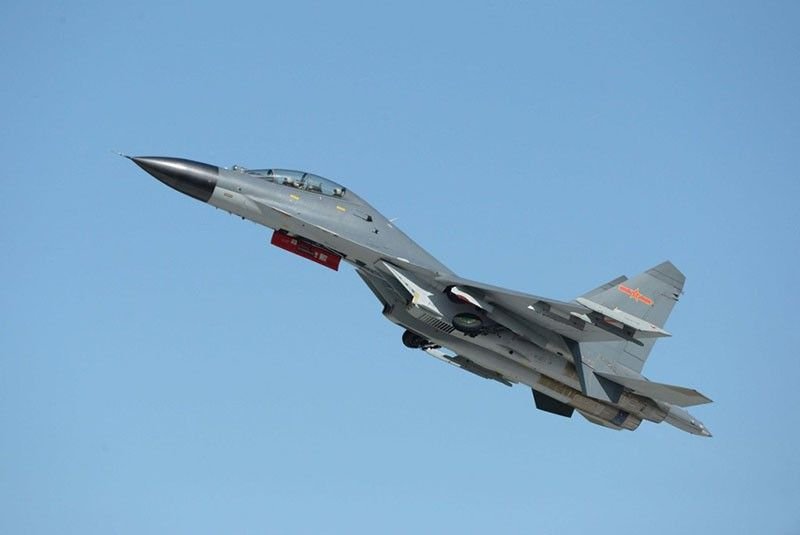
Chinese and Russian warplanes flying close to South Korea have once again pushed tensions higher in one of the world’s most sensitive security hotspots. When Chinese and Russian warplanes enter or approach South Korea’s Air Defence Identification Zone (ADIZ), they force Seoul to scramble jet fighters, issue warnings, and file diplomatic protests that underline just how fragile regional stability has become.
For many observers, repeated flights by Chinese and Russian warplanes in this area are not routine training, but deliberate strategic signals aimed at testing South Korea’s response and challenging the presence of the United States and its allies. Each new episode increases the risk that a close encounter in the air could go wrong, with serious consequences for the wider region.
Why Chinese And Russian Warplanes Are Flying Near South Korea
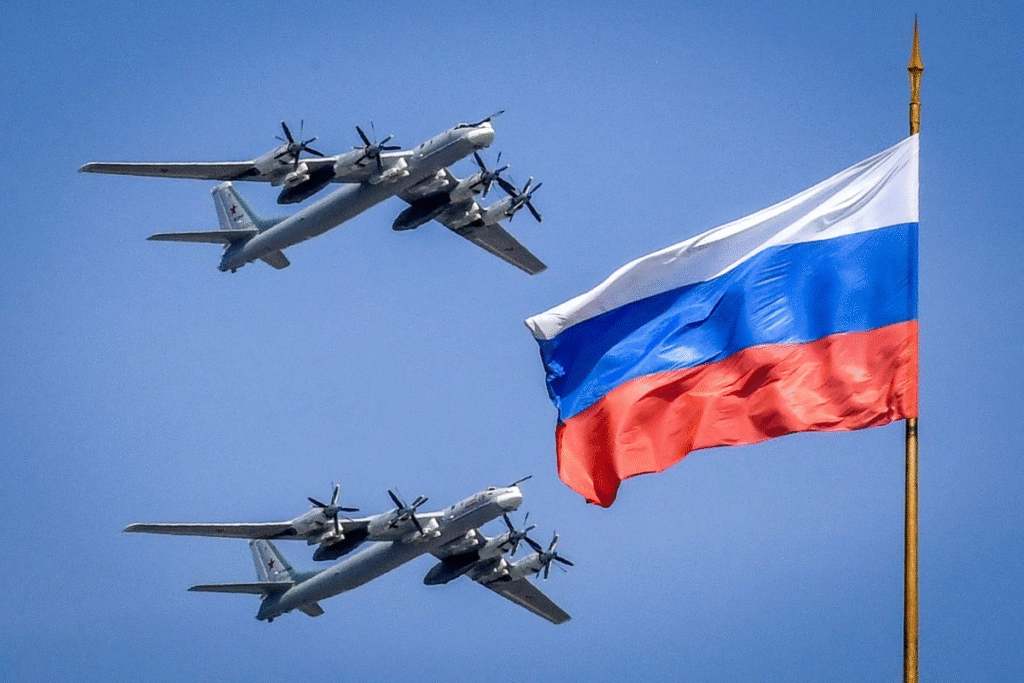
Chinese and Russian warplanes often operate together in joint patrols designed to demonstrate coordination between Beijing and Moscow. By sending Chinese and Russian warplanes through or near South Korea’s ADIZ, both countries can gather intelligence, test radar coverage, and show that they are willing to operate close to US‑aligned defence networks in North‑East Asia.
South Korea treats these flights as serious challenges, even when aircraft remain in international airspace, because entering an ADIZ without prior notification is seen as a threat to air security and early‑warning systems. As a result, every time Chinese and Russian warplanes appear on radar, South Korean jets must scramble, burning fuel, resources, and adding strain to pilots and equipment.
How South Korea Responds To Chinese And Russian Warplanes
Officially, South Korea responds to Chinese and Russian warplanes with a mix of military and diplomatic tools. On the military side, its air force launches fighters to track and, if necessary, warn the aircraft, making sure Chinese and Russian warplanes understand that their presence is being closely monitored.
On the diplomatic side, South Korea usually summons defence or embassy officials from China and Russia to lodge a formal protest. These protests are designed to reinforce that Chinese and Russian warplanes in the ADIZ are unacceptable and that any future incidents will continue to meet firm, but measured, resistance.
Wider Risks From Foreign Military Aircraft Near Korean Airspace
Repeated appearances of Chinese and Russian aircraft close to South Korean airspace raise serious questions about crisis management and communication. Jet fighters operating at high speed in crowded skies leave very little room for error, especially when interception, radio warnings, and defensive manoeuvres are happening at the same time.
Military planners worry that a single misjudged turn, misheard message, or technical fault could cause a collision or weapons incident. In a region where North Korea’s missile tests, US deployments, and maritime disputes are already creating friction, one accident involving foreign bombers or escorts could quickly escalate into a major diplomatic and security crisis.
Impact On Alliances And Regional Power Balance
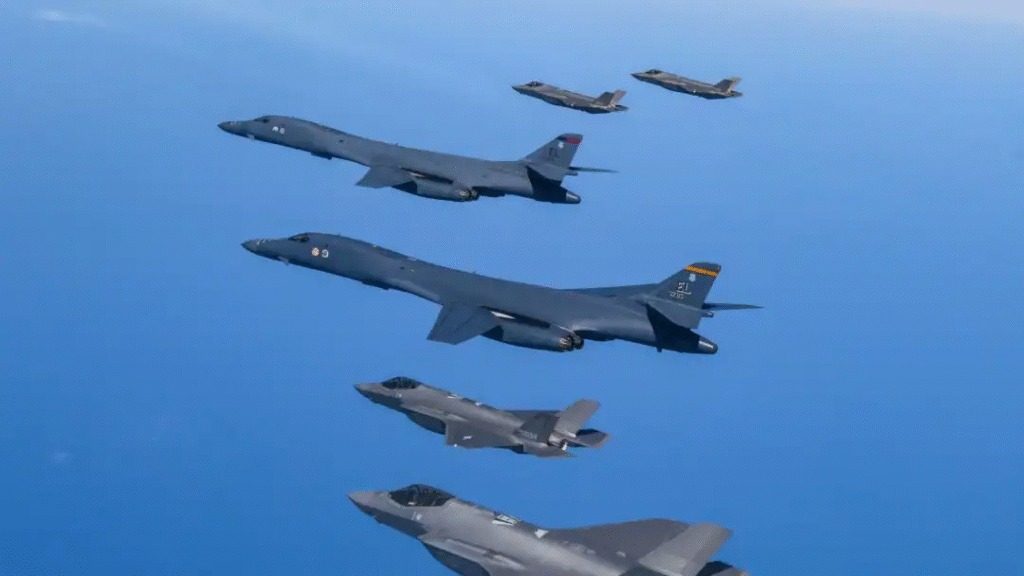
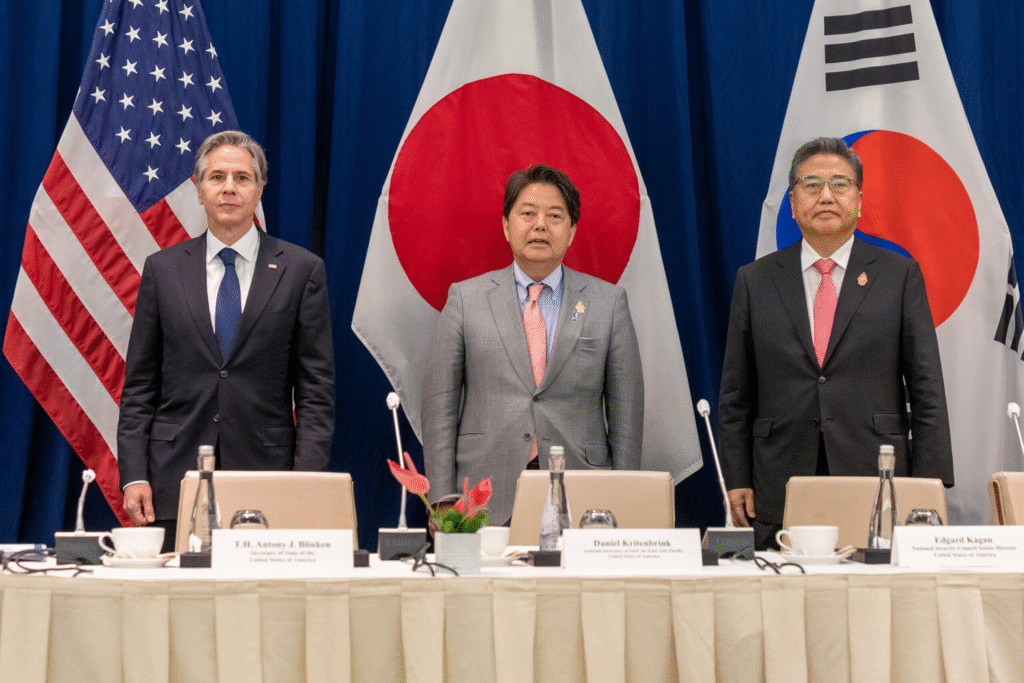
These patrols are also reshaping how Seoul, Washington, and Tokyo think about security cooperation in East Asia. Every time foreign bombers and support aircraft approach the Korean Peninsula, the case for stronger air defence integration, joint exercises, and better data‑sharing between allies becomes more compelling.
At the same time, Beijing and Moscow use these flights to signal that they can coordinate long‑range missions close to US‑aligned territories. That message is aimed not only at South Korea, but also at Japan and the United States, showing that the regional power balance is becoming more complex and more competitive.
Domestic Debate Inside South Korea
Within South Korea, political parties and security experts closely track every incident involving foreign military jets approaching the national ADIZ. Some voices call for a tougher stance, including more visible intercepts and expanded defence spending to ensure that any intrusion is met with a strong and rapid response.
Others argue that while a firm response is necessary, overreaction could damage economic ties with major neighbours and raise the risk of missteps. This debate reflects a broader dilemma: how to protect national security without triggering unnecessary confrontation in an already tense region.