China fighter jet radar lock shocks Japan
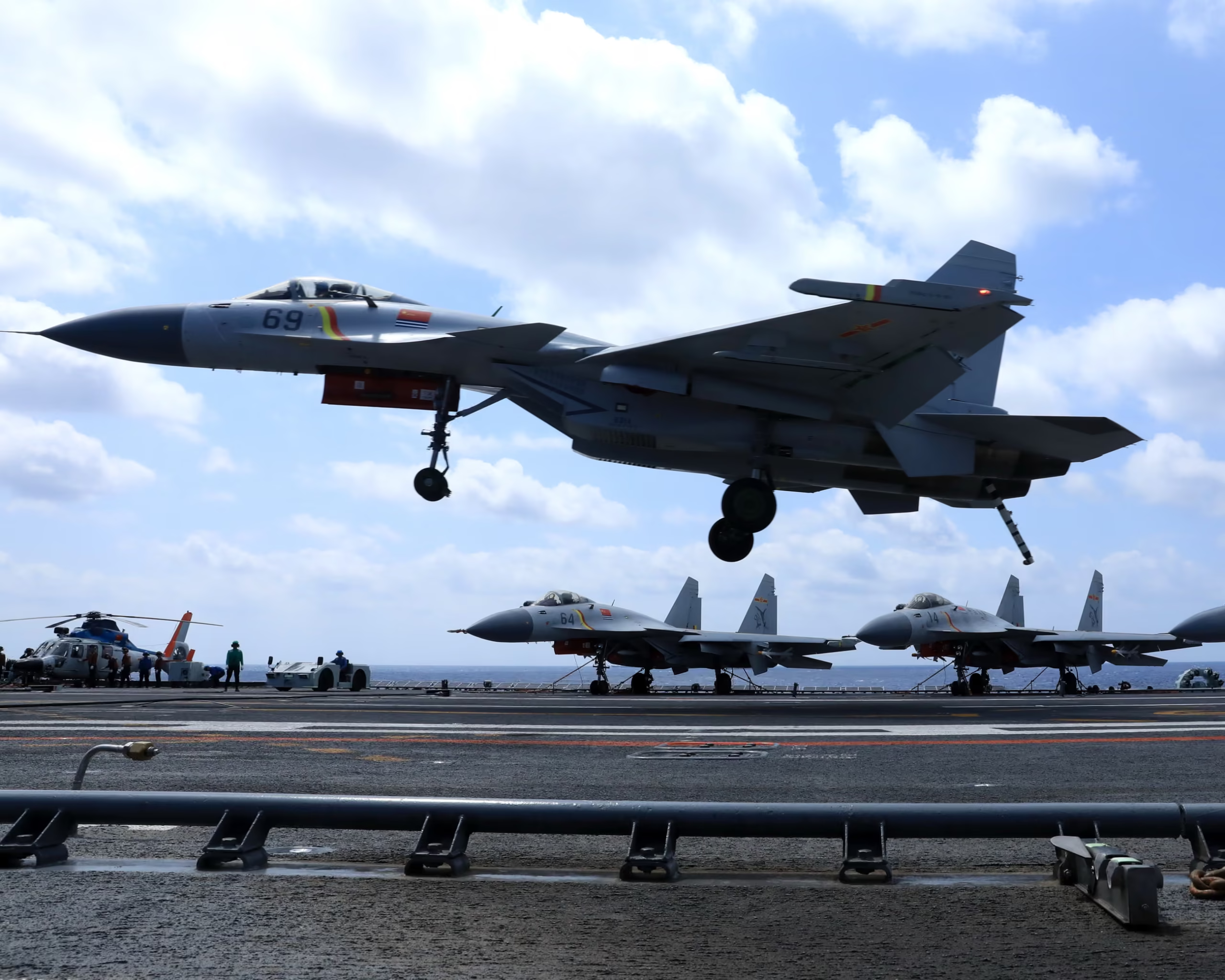
A recent China fighter jet radar lock incident near Japan’s Okinawa islands has sharply increased tensions between the two countries. Japan says Chinese J‑15 fighters from the aircraft carrier Liaoning twice locked their fire‑control radar on Japanese F‑15 jets over international waters southeast of Okinawa.
Tokyo has condemned the moves as dangerous and unacceptable, arguing that they go beyond what is needed for the safe operation of military aircraft. Although no aircraft were damaged and there were no injuries, Japanese leaders say the China fighter jet radar lock could easily have led to a serious confrontation.
What is a radar lock in simple words?
In air combat, a radar lock means a fighter jet uses its targeting radar to “lock on” to another aircraft as if preparing to fire a missile. Instead of just scanning the sky, the radar focuses on one specific target and tracks it closely in real time.
For the pilot being targeted, warning systems usually show that a hostile radar is locked onto their aircraft, which can feel like a direct threat. This is why a China fighter jet radar lock is not seen as a normal, friendly action but as a serious escalation short of firing a weapon.
How the China fighter jet radar lock incident happened
According to Japan’s Defense Ministry, the first radar lock occurred at around 4:32 p.m. local time and lasted for about three minutes in airspace over the high seas southeast of Okinawa’s main island. Later that evening, another set of radar lock‑ons reportedly continued intermittently for about 30 minutes.
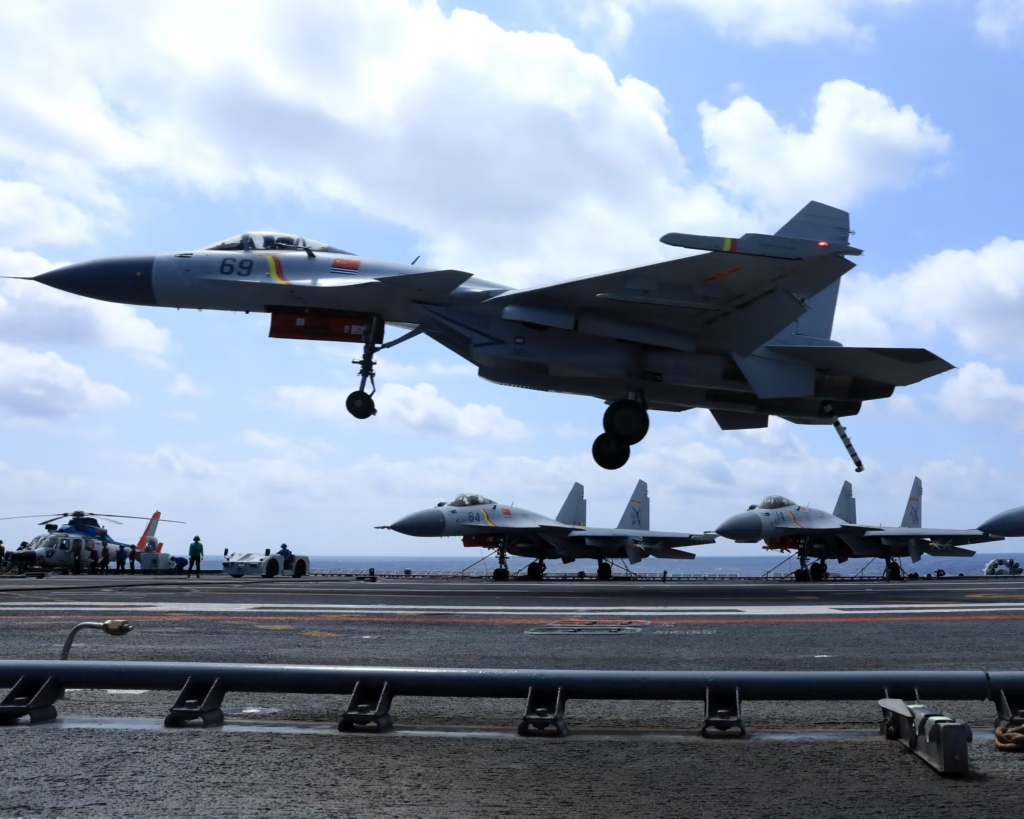
In both cases, Chinese J‑15 jets had taken off from the aircraft carrier Liaoning, which was sailing south of Okinawa with several missile destroyers during training drills. Japanese F‑15 fighters scrambled to monitor the group and then detected the China fighter jet radar lock on their warning systems.
Where did it happen and why is Okinawa important?
The encounters took place over international waters, not inside Japan’s territorial airspace, but still within Japan’s air defense identification zone (ADIZ). This zone is an area where Japan watches foreign aircraft closely and may scramble fighters to check their movements.
Okinawa is home to key Japanese and United States military bases and sits close to important sea lanes and disputed islands in the East China Sea. Because of this location, a China fighter jet radar lock near Okinawa is viewed as a direct challenge to Japan’s security and regional stability.
Japan’s official response to the radar lock
Japan’s defense minister called the China fighter jet radar lock “dangerous” and “extremely regrettable,” saying it exceeded the scope of safe aviation practices. The government quickly lodged a formal protest with Beijing through diplomatic channels and demanded steps to prevent a repeat.
Officials stressed that Japanese pilots were performing routine monitoring, kept a safe distance and did not enter Chinese airspace during the incident. Even so, Tokyo warned that similar radar lock‑ons could raise the risk of an accident or miscalculation between heavily armed jets.
China’s position and narrative
Chinese officials have pushed back against Japan’s version of events, insisting that their aircraft and ships were conducting normal training operations in international waters. China often argues that its military activities are lawful and that foreign surveillance flights come too close to its forces.
In public messaging, Beijing tends to accuse other countries of hyping such incidents for political reasons and to justify stronger military ties with partners. The disagreement over this China fighter jet radar lock fits a wider pattern of mutual accusations between the two neighbors.
Why a China fighter jet radar lock is so dangerous
A radar lock is treated as a serious warning because in a real conflict it often happens just seconds before a missile launch. When one aircraft locks onto another, the targeted pilot has to decide quickly whether to maneuver, retreat or prepare for possible attack.
In a crowded region like the skies near Okinawa, a split‑second decision can have huge consequences if weapons are fired or if aircraft collide while evading. This is why governments say a China fighter jet radar lock during peacetime undermines trust and increases the chance of an unintended clash.
Past radar lock incidents between Japan and China
This is not the first time Japan has reported a radar lock involving Chinese forces. In 2013, Tokyo said a Chinese warship locked its radar on a Japanese destroyer in the East China Sea, triggering a similar diplomatic storm.
Each new radar lock incident adds to a record of close calls and makes it harder for the two sides to rebuild trust. For many observers, the latest China fighter jet radar lock shows that tensions remain high despite occasional talks and meetings between leaders.

Impact on regional security and alliances
The radar lock near Okinawa has raised fresh concerns among countries that rely on open sea lanes and stable relations in East Asia. Allies and partners worry that a sudden incident between Chinese and Japanese jets could drag in other militaries if the situation escalates.
Events like this also encourage closer security cooperation between Japan, the United States and other Indo‑Pacific partners. When a China fighter jet radar lock makes headlines, it strengthens arguments for more joint exercises, information‑sharing and agreed rules for encounters at sea and in the air.
What could happen next?
Japan has said it will respond in a calm but firm way, combining diplomatic protests with continued air patrols in sensitive areas. Tokyo may push harder for hotlines and incident‑prevention agreements with Beijing to reduce the risk from any future China fighter jet radar lock.
China is likely to continue carrier training and long‑range flights as it expands its presence in the western Pacific. The key question is whether both sides can manage close encounters safely, or whether another radar lock will push tensions to a new level.
Conclusion for readers
For everyday readers, the most important thing to understand is that a radar lock is not a simple technical event but a strong signal in military language. When a China fighter jet radar lock targets Japanese aircraft near Okinawa, it sends a message that both sides are willing to take risks close to each other’s forces.
Watching how Japan and China handle this incident will offer clues about the future of security in East Asia, from trade routes to defense partnerships. If similar incidents continue, pressure will grow for clearer rules and more communication to keep the peace in the skies.