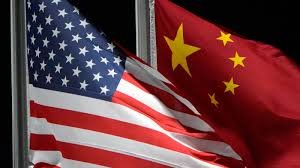
10 Harsh New US Visa Moves Against China Over Deportations
Tensions between the United States and China are climbing again as Washington signals tougher visa measures in response to Beijing’s limited cooperation on deportations. American officials say China has slowed the process of taking back its citizens who are in the US illegally, prompting talk of new restrictions and financial requirements on Chinese travellers.
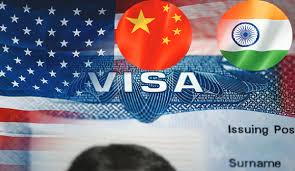
This emerging “visa pressure diplomacy” adds another layer of strain to already difficult relations between the world’s two largest economies. It shifts part of the pressure from trade and technology disputes to the very practical issue of who can enter the US and on what terms.
Why Washington Is Turning to Visa Pressure
US law allows the government to punish countries that do not cooperate with deportations by tightening visa rules for their citizens under Section 243(d) of the Immigration and Nationality Act. Officials now say China is at risk of facing such measures because it has scaled back acceptance of deportation flights and delayed travel documents for its nationals.
According to briefings from US officials, China accepted around 3,000 deportees in early 2025 but has reduced cooperation in recent months. Washington views this slowdown as a violation of Beijing’s responsibilities to take back its own citizens once US courts order their removal.
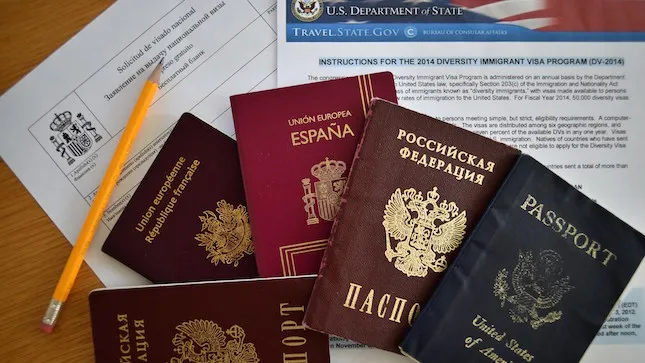
Possible New US Measures Against China
American officials are signalling a mix of financial and travel‑related steps that could hit Chinese applicants across several visa categories. Among the options being discussed are:
- Higher cash bonds tied to visa applications for certain categories of Chinese nationals
- Broader visa denials for travellers from China who do not meet stricter benchmarks
- More frequent refusal of entry at the US border for those flagged under tougher screening rules
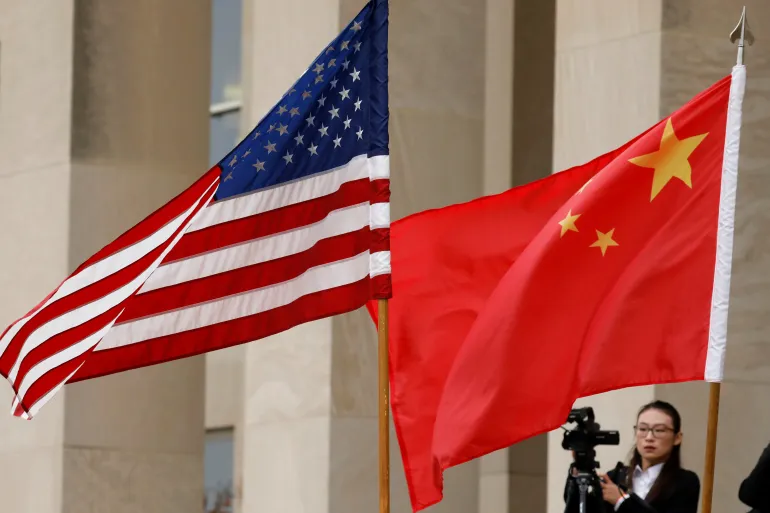
These measures would come on top of existing restrictions and scrutiny already applied to some Chinese officials, students and professionals in recent years.
Deportations, Migrants and Political Pressure
The dispute sits at the intersection of immigration enforcement at home and diplomatic bargaining abroad. The current US administration has made deportations and border control a political priority and wants faster cooperation from foreign governments, including China, to take back people ordered removed.
For Beijing, accepting deportees in large numbers can be politically sensitive, especially when domestic audiences are told that citizens are being treated unfairly abroad. As a result, repatriation becomes a bargaining chip in wider talks, rather than just a technical administrative process.
How China Might Respond
China has tools of its own if it chooses to answer US visa pressure with countermeasures. It can slow or restrict visas for American citizens, tighten work and residence permits, or rely on its own legal frameworks that allow asset restrictions and mobility limits on entities seen as hostile.
In earlier disputes, Beijing has used targeted measures to send political messages while trying to avoid a complete breakdown in exchanges. A similar pattern could emerge here, with selective responses rather than a total freeze.
What This Means for Students, Workers and Visitors
If Washington moves ahead with tougher visa rules, ordinary Chinese students, workers and visitors could feel the impact long before senior officials do. Longer processing times, higher financial requirements and a greater risk of rejection would all make travel to the US less predictable and more expensive.
For universities, research institutions and companies that rely on Chinese talent and partnerships, this uncertainty may complicate planning and recruitment. It could also encourage some students and professionals to look more seriously at alternative destinations in Europe or other regions.
A New Front in US–China Rivalry
Visa pressure diplomacy shows how migration, law and diplomacy are becoming more tightly connected. Instead of being a purely technical process handled quietly by consular officers, visa policy is turning into an explicit tool of leverage in great‑power competition.
Whether these harsh new measures actually change China’s behaviour on deportations remains to be seen. What is already clear is that people who want to travel, study or work across borders are increasingly caught in the middle of a rivalry much bigger than their individual plans.