Google Maps may soon get “Ask Maps” chat: what it means for you
Google Maps is getting ready for a major upgrade that will change how you search for places and plan trips inside the app. A new feature called Ask Maps is reportedly in testing, and it could allow you to chat with Maps to find routes, nearby spots and travel ideas in a more natural way.
What is Ask Maps in Google Maps?
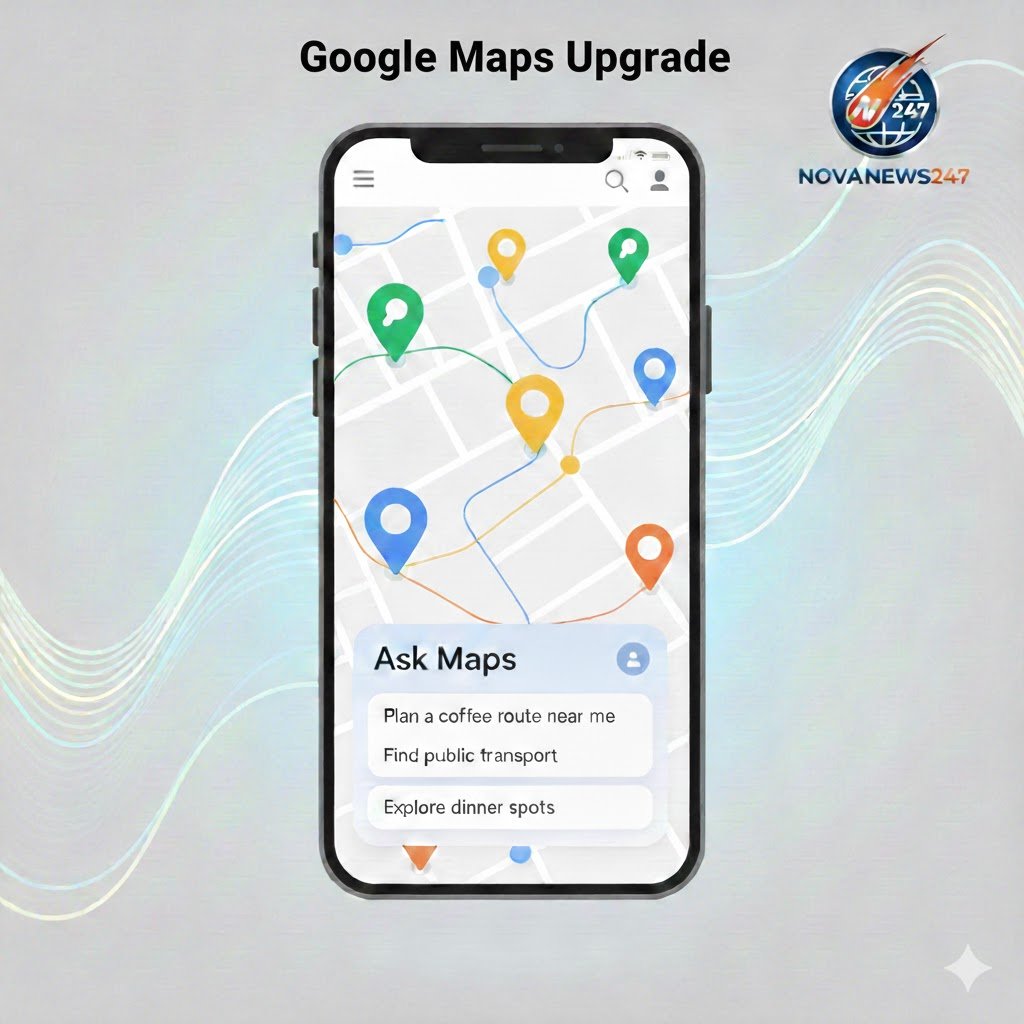
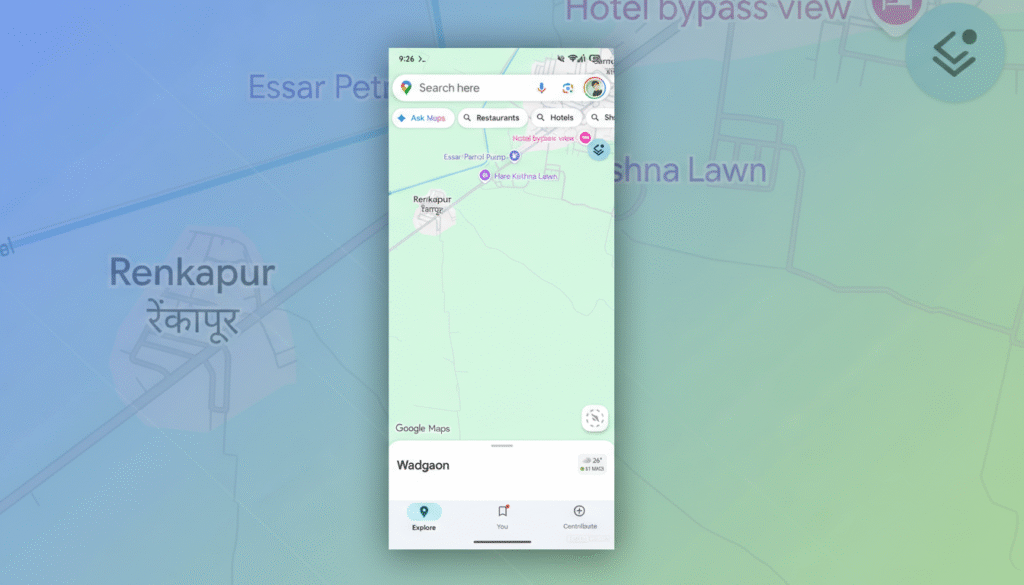
Ask Maps is expected to appear as a small chip or button on the main Google Maps screen. When you tap it, a chat window opens at the bottom of the map so you can type questions just like you would in a messaging app. Instead of entering short keywords such as “restaurants near me”, you will be able to write full questions and let Maps understand the context.
According to early reports based on app code, Ask Maps is being built on the same powerful models that Google already uses in its other products. That means the new chat surface should be smarter than a simple text search and able to handle follow‑up questions without losing track of what you asked before.
How Ask Maps could work inside the app
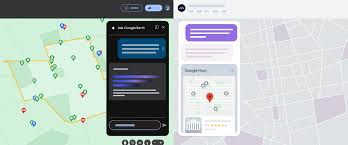
Hints found in recent builds of the Google Maps app show how this feature might work in practice.
- Ask Maps appears as a chip over the map.
- Tapping the chip opens a chat‑style panel with starter suggestions.
- You can type or speak your question.
- The map in the background updates while the chat responds, showing places related to your query.
There is also a new “Try new features” section hidden inside app settings, where Ask Maps is listed with a line that invites you to “turn ideas into adventures”. This suggests the feature will launch first as an opt‑in test with limited capacity.
Real examples of questions Ask Maps could handle
Ask Maps is designed to turn vague ideas into specific results without forcing you to build complex filters by hand. Reports describe examples like these:
- “Plan a coffee crawl near me with quiet places to work, all open after 6 pm.”
- “Show me kid‑friendly museums and parks for a weekend in Lahore.”
- “Create a walking route that covers the main historical sites in one afternoon.”
Instead of giving you a simple list, Ask Maps can put together a sequence of stops, check opening hours, consider ratings and show travel times between locations on the map. You can then refine the plan with follow‑up messages such as “make it walkable”, “add one dessert place” or “keep everything under a 30‑minute drive”.
Why Google is building a chat experience in Maps
Google Maps is already excellent at point‑to‑point navigation, but it is not always smooth when you start with a rough idea instead of a clear destination. Many people jump between Maps, Search and notes apps while planning an outing, which can be slow and confusing.
Ask Maps aims to keep all of that planning inside one screen. By letting you chat directly with the map, Google wants to make it easier to go from “I feel like exploring” to “here’s a complete route with timings and places”. It is also another way for Google to showcase its latest language models inside a product that already has billions of users.
What could Ask Maps mean for everyday users?
If Ask Maps launches widely, it could change daily usage patterns in a few clear ways:
- Faster planning: Instead of trying multiple searches, you describe your plan once and let Maps handle the details.
- Better discovery: The chat can surface lesser‑known spots that match your taste rather than only the most obvious results.
- Smarter follow‑ups: You do not have to start over every time; the conversation remembers your preferences and location during the session.
For frequent travellers and city explorers, this kind of conversational search could save time and reduce app‑switching when organising a day out.
Possible limitations and privacy questions
Ask Maps is still under development and will likely have limits when it first appears. Early testing may only be available in select regions and languages, and Google could restrict the number of people who can join at once while it gathers feedback.
There are also privacy aspects to keep in mind. Google’s help pages already explain that some new features in Maps use or store your location data to provide personalised answers. A chat‑based experience that understands your plans, habits and favourite areas could rely on similar information. Users who are concerned about data collection should review their Maps privacy settings and location history controls when Ask Maps rolls out.
When can you expect Ask Maps to arrive?
There is no official release date yet, but the amount of code already present in the latest Maps builds suggests that Ask Maps is getting closer to a public preview. Google often tests upcoming tools with small groups before announcing them on its blog or during major events like Google I/O.
For now, the feature remains in the testing phase, but its direction is clear: Google Maps is moving from a traditional search bar to a place where you can actually hold a conversation about where you want to go and how you want to get there. If Ask Maps delivers on that promise, planning a coffee run, a family outing or even a full vacation could soon be as simple as chatting with a friend inside the app.