5 Powerful Ways Samsung Galaxy Privacy Feature Stops Shoulder Surfing
Samsung is preparing a new Galaxy privacy feature that aims to stop people from reading your screen over your shoulder in public places. From buses and metros to office lifts and checkout lines, phone displays are often exposed to anyone standing nearby, which makes everyday use feel less private than it should.
1. Targeting The Real‑World Problem Of Shoulder Surfing
Shoulder surfing has quietly become one of the most common everyday privacy risks. When you unlock your phone to check a banking app, read a private chat or open sensitive work email, there is usually someone within viewing distance who can glance at the screen without you noticing.
Samsung says this new Samsung Galaxy privacy feature is designed specifically for these situations, so users do not have to choose between getting things done and keeping their information out of sight.
2. A New Galaxy Privacy Layer Built Into The Display
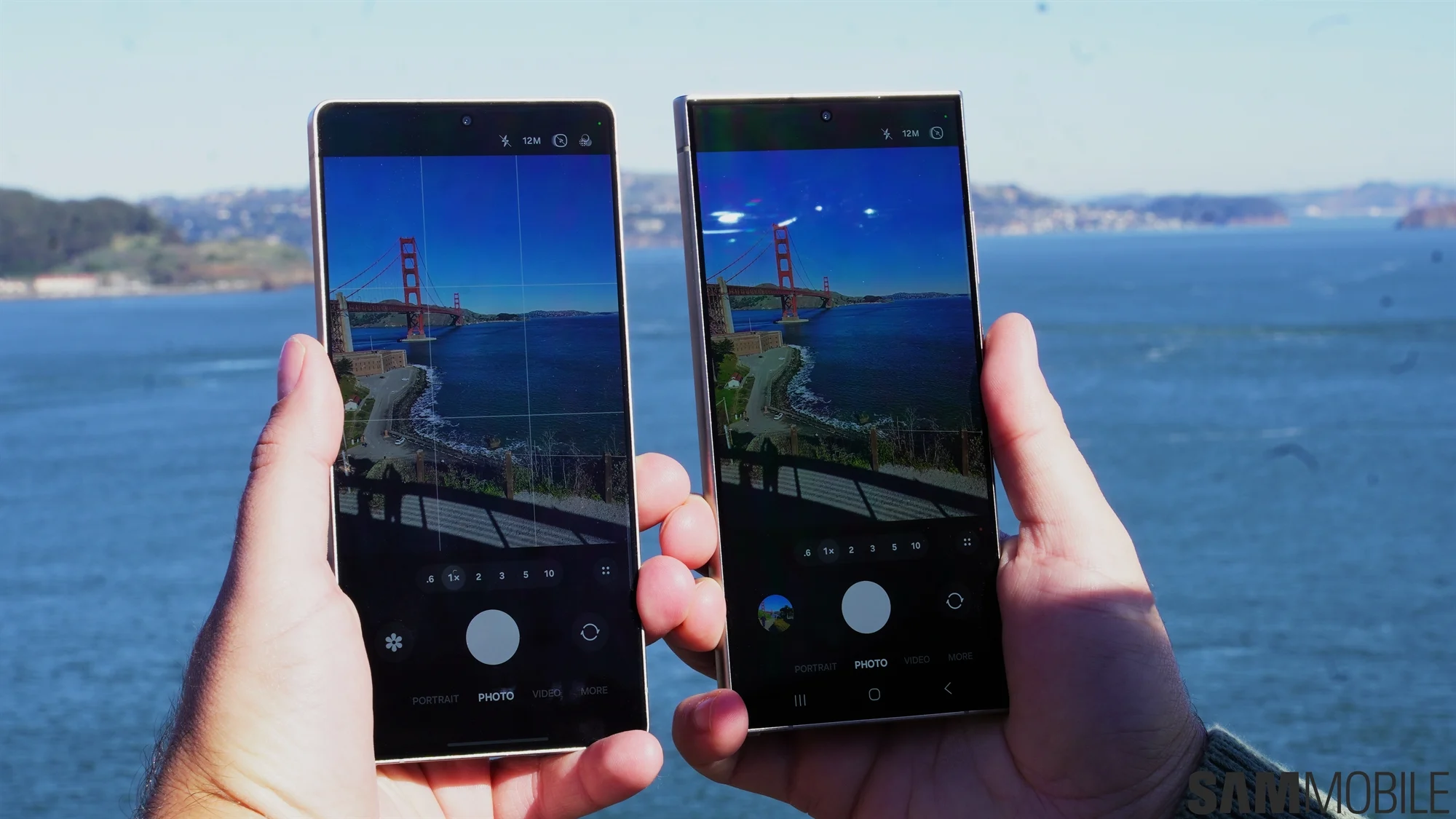
The upcoming Galaxy privacy layer limits how much of the screen stays readable when someone is looking from the side. When you look straight at the phone, the display appears normal, but as the viewing angle widens, content becomes harder or impossible to read.
Samsung describes this as “privacy at a pixel level,” mixing new display hardware with software control so the effect feels natural rather than like a heavy filter sitting on top of everything. The goal is to keep the typical bright Galaxy experience while quietly blocking unwanted eyes around you.
3. Five Years Of Engineering Focused On Everyday Privacy
According to Samsung, this Samsung Galaxy privacy feature has been in development for more than five years. Engineers studied how people hold their phones in public, which tasks they consider private and how often they worry about others looking at their screens.
The company says the result is a fusion of hardware and software that is calibrated to protect you without getting in the way of normal Galaxy use. Instead of adding another complex setting that most people will ignore, Samsung wants this layer to feel like a natural part of the display itself.
4. Custom Controls For Apps, Passwords And Notifications
Samsung is not locking this privacy mode on by default for everything. Users will be able to decide where the Samsung Galaxy privacy feature matters most, such as:
- Banking apps and digital wallets
- Password screens and two‑factor codes
- Private photo galleries and document viewers
- Messaging apps used for sensitive conversations
5. Part Of A Bigger Galaxy Security Stack
This privacy layer sits alongside Samsung’s existing security tools on Galaxy phones, including Samsung Knox, Knox Vault and the Security and Privacy dashboard. These services already protect data, detect threats and give users a clear view of app permissions and risky behaviour.
The difference is that the new Samsung Galaxy privacy feature focuses on visual safety, making sure that even when your device is unlocked, people around you cannot easily read what is on the display. It adds another layer on top of passwords, biometrics and encryption, aimed directly at real‑world situations like crowded trains or busy cafes.
When Will This Privacy Feature Arrive?
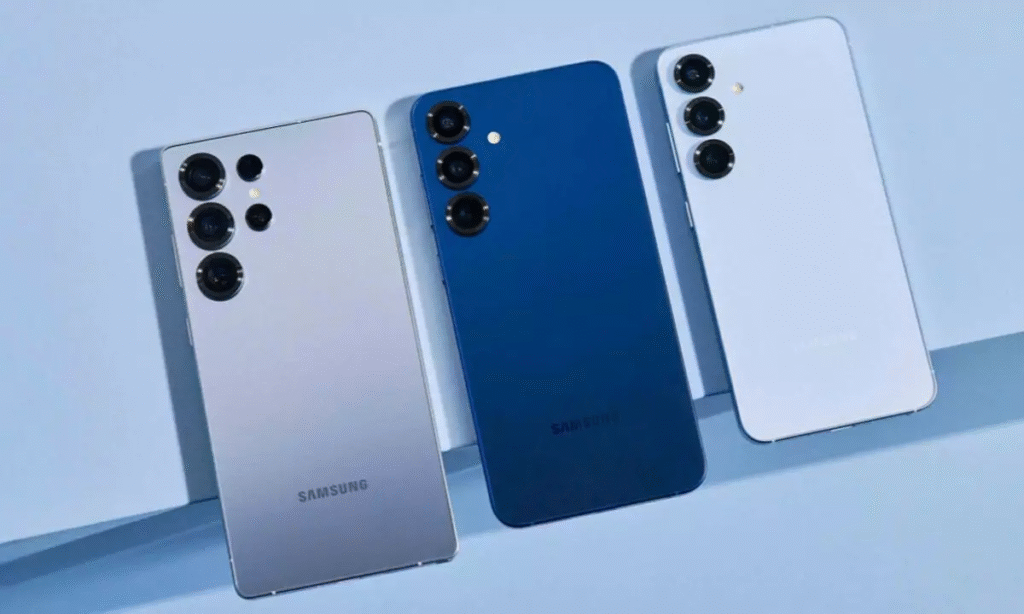
Samsung has said only that the new display privacy layer is coming to Galaxy devices “very soon.” Reports point to the Galaxy S26 series as the first phones to ship with this technology, with the potential for more models to follow as new hardware rolls out.
More details about supported devices, default settings and region‑by‑region availability are expected around the next major Galaxy launch event.
Conclusion
Samsung’s upcoming Galaxy privacy feature shows that on‑screen protection is finally being treated as seriously as passwords and encryption. By building privacy directly into the display and giving users flexible controls, Samsung is making it much easier to use sensitive apps in crowded places without worrying about prying eyes.