US Set to Quit World Health Organisation: Serious Break With Global Health System
US set to quit World Health Organisation on January 22, 2026, after a year‑long notice from Washington. This move follows President Donald Trump’s order to stop funding and leave the WHO, even though many experts warn that this step will hurt both American health and global health.
The decision has shocked health officials, legal experts, and world leaders. They argue that walking away from the World Health Organisation in the middle of major health threats creates new risks for everyone, not just the US.
Why Is the US Set to Quit World Health Organisation?
The US set to quit World Health Organisation after Trump signed an executive order in January 2025. That order told the government to send a formal letter to the UN and start the one‑year process to leave the WHO.
US law says that before leaving, the country must give one year’s notice and pay all money it still owes to the WHO. However, the US has not paid its dues for 2024 and 2025, which add up to about 260 million dollars, so many legal experts say this exit goes against US law.
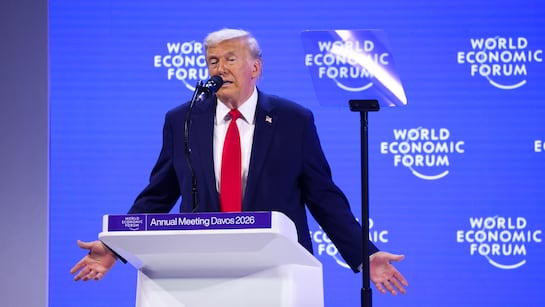
Trump and his team argue that the World Health Organisation failed to manage and share information during recent health crises, and that this failure cost the US economy trillions of dollars. Because of this, the administration has blocked all future payments, support, and resources for the WHO.
What Does the US Set to Quit World Health Organisation Mean for Money and Jobs?
For many years, the US set to quit World Health Organisation has been a big shock because Washington was the largest single funder of the agency. In some recent years, US money made up around 15 to 18 percent of the WHO’s total budget.
Now, with the US set to quit World Health Organisation, the WHO faces a serious financial crisis. Reports say the agency has already cut its leadership team by half and started reducing or delaying many programmes. The organisation also expects to cut about 25 percent of its staff by the middle of this year, which will weaken its ability to support countries during health emergencies.
When such a large donor walks away, the gap is not easy to fill. Other countries and private donors would need to increase funding quickly just to keep current operations running.
US Set to Quit World Health Organisation: Legal and Political Questions
Legal experts say the US set to quit World Health Organisation raises big questions under American law. The law that allowed the US to join the WHO also says the country must pay all outstanding dues before leaving, but Washington has frozen payments instead.
Georgetown University scholar Lawrence Gostin calls this a clear violation of US law, although he adds that Trump will likely face no real punishment for it. At the same time, some UN officials point out that the WHO’s own constitution does not clearly allow any member to quit, which makes the situation even more unusual.
Politically, the US set to quit World Health Organisation sends a signal that Washington is stepping back from multilateral health cooperation. This matches other moves where the US pulled away from international agreements and long‑standing partnerships.
How Does the US Set to Quit World Health Organisation Affect Global Health?
Many experts say the US set to quit World Health Organisation will harm both US citizens and people in other countries. The WHO helps nations share data on outbreaks, coordinate vaccine plans, and respond together when new diseases appear, so losing a major partner like the US weakens that global network.
The WHO now has less funding and fewer staff at the same time that the world still faces pandemics, climate‑linked health threats, and rising drug‑resistant infections. Health specialists warn that this combination makes it harder to detect and stop new threats early, which can lead to more deaths and higher long‑term costs.
Why Do Many Leaders Oppose the US Set to Quit World Health Organisation?
Top health leaders, including the WHO director‑general, have publicly urged the US to stay in the organisation. They argue that the US set to quit World Health Organisation is “bad for the US and bad for the world,” because it removes money, skills, and long experience from a system that all countries depend on.
Global health advocates say this exit also sends the wrong message at a time when countries need more cooperation, not less. Instead of walking away, they believe the US should work inside the WHO to push for reforms and stronger accountability.
Will the US Rejoin the World Health Organisation Soon?
Many observers do not expect the US to return quickly once the US set to quit World Health Organisation becomes final. According to the Dawn report, even major philanthropists such as Bill Gates, whose foundation supports many WHO projects, say they do not see a fast path back, although they plan to keep arguing that the US should rejoin.
If a future US government wishes to re‑enter, it may need to pass new laws, negotiate conditions, and rebuild trust with other member states. Until then, the rest of the world will have to adjust to a WHO with less US involvement and funding.
What Happens Next After the US Set to Quit World Health Organisation?
The US set to quit World Health Organisation also forces other countries to think about backup plans. Some experts suggest building stronger regional health networks so that countries can share data and support each other even if global agencies struggle.
At the WHO, member states are expected to discuss the US exit and its impact during the executive board meeting in February. They may explore new funding models, cost cuts, or new partnerships to keep life‑saving programmes alive.