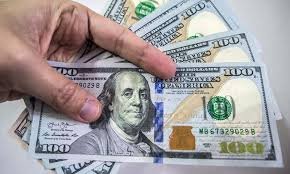
Introduction: Dollar inflows from exchangers dip
Dollar inflows from exchangers in Pakistan have dropped by almost one-third in the first half of the current fiscal year. This fall has created concern among policymakers, bankers and traders because it affects liquidity in the formal banking system and raises questions about where these dollars are going.
Banks received about 30 per cent fewer dollars from exchange companies between July and December FY26 compared to the same period last year. At the same time, a large part of the dollars sold by customers is now untraceable, which points toward growing interest in virtual currencies and informal online channels.
What are dollar inflows from exchangers?
Dollar inflows from exchangers are the US dollars that exchange companies sell to banks after they buy them from customers such as overseas Pakistanis, travellers and local residents. Under State Bank rules, exchange companies must sell surplus foreign currency to banks, so this flow is an important source of dollars for the formal market.
In normal times, this system helps banks meet demand for imports, external payments and remittances. When dollar inflows from exchangers fall, banks rely more on other sources such as remittances and borrowing, which can increase pressure on the exchange rate and reserves.
How much have dollar inflows fallen?
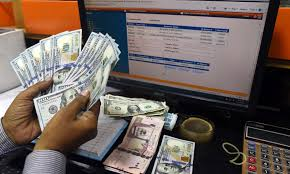
During July–December FY26, exchange companies sold about 1.4 billion dollars to banks, compared with around 2 billion dollars in the same period of FY25. This means a decline of nearly 30 per cent in dollar inflows from exchangers in only one year.
Monthly data also show a clear downward trend from June to August 2025, followed by unstable recovery in the later months. The highest inflow was in June at 408 million dollars, but sales dropped to 279 million in July and then sharply to 163 million in August before partly recovering.
Where are these dollars going?
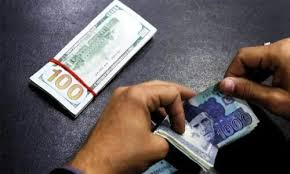
According to Malik Bostan, Chairman of the Exchange Companies Association of Pakistan (ECAP), customers bought about 1.2 billion dollars from exchange companies in six months. Out of this amount, around 400 million dollars were kept in bank accounts, but the remaining 800 million dollars could not be traced through normal banking records.
This untraceable 800 million dollars is widely believed to have gone into virtual currencies and other online investment platforms. Special apps, which operate through websites and mobile phones, are offering attractive dollar rates close to 292 rupees per dollar and guiding users to either sell their dollars there or invest them in cryptocurrencies.
Role of cryptocurrency and online apps
Trading in cryptocurrencies is still not fully regulated in Pakistan, although the State Bank is working on a framework to oversee such transactions. At the same time, the government has publicly shown support for legalising cryptocurrency trading with help from the State Bank, which may be encouraging more people to enter this market.
Because these apps offer higher rates than the interbank market, many dollar holders feel tempted to bypass banks and exchange companies. As a result, dollars move into virtual wallets or offshore accounts instead of staying inside Pakistan’s formal financial system.
Month‑wise trend in dollar sales to banks
The pattern of dollar inflows from exchangers to banks in FY26 shows both volatility and overall weakness. After the peak of 408 million dollars in June, sales fell to 279 million in July and 163 million in August, which was the lowest point in the six‑month period.
In September, inflows improved to 187 million dollars and then rose to 243 million in October, before dipping slightly to 238 million in November and climbing again to 271 million in December. Even with this late recovery, the total six‑month volume stayed far below the previous year, confirming a structural shift away from banks.
Impact on remittances and the banking system
Interestingly, this decline in dollar inflows from exchangers has taken place despite an increase in remittance inflows this year. In simple words, more dollars are entering Pakistan through workers’ remittances, but fewer are being channelled from exchange companies into banks.
This mismatch suggests that a growing share of foreign currency is moving outside traditional routes. For banks, this means less liquidity in dollars, which can make it harder to finance imports, repay external debt and stabilise the exchange rate during periods of stress.
Exchange rate outlook and SBP strategy
Analysts are closely watching how the State Bank of Pakistan (SBP) responds to these currency flow changes. According to Faisal Mamsa, CEO of Tresmark, the SBP’s latest liquidity profile shows aggregate short positions of less than 2 billion dollars, roughly in line with the International Monetary Fund’s target.
This profile suggests that the recent accumulation of foreign exchange reserves has come mainly from mopping up excess liquidity from the interbank market rather than from heavy use of buy‑sell swaps. With the real effective exchange rate around 104.8, Pakistan’s export competitiveness already looks stretched, so the central bank is expected to resist any decisive move below 280 rupees per dollar and instead aim for stability.
How a weaker inflow affects the rupee
When dollar inflows from exchangers fall, pressure on the rupee can increase because fewer dollars are available for trade and financial transactions. Even if remittances rise, the loss of dollars through unregulated apps and virtual currencies can weaken the overall position of the foreign exchange market.
Experts believe that for now the dollar–rupee parity is likely to remain range‑bound, with two‑way movement as market forces play out. However, unresolved external pressures and recovering import demand mean that any further drop in formal dollar inflows from exchangers could quickly translate into volatility.
Risks of unregulated virtual currency use
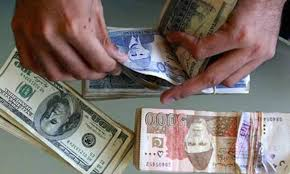
The use of unregulated virtual currencies carries several risks for both investors and the wider economy. Prices of cryptocurrencies are highly volatile, and without a clear legal framework, people who invest their dollars in such assets face a high chance of loss and limited protection.
For the state, large unmonitored outflows of dollars can lead to money laundering, capital flight and weaker control over monetary policy. This is why the State Bank’s work on a regulatory framework and the government’s move to legalise trading under supervision are important steps toward safer use of digital assets.
Policy options and way forward
To address falling dollar inflows from exchangers, policymakers have several options. One approach is to offer more competitive and transparent exchange rates in the formal market so that customers prefer banks and licensed exchange companies over unregulated apps.
Another step is to speed up regulation of cryptocurrency trading, including registration of platforms, reporting rules and strict checks against illegal transfers. Public awareness campaigns can also help people understand the risks of sending dollars to unknown online operators and encourage them to use secure, legal channels instead.
Why this trend matters for ordinary people
For ordinary Pakistanis, the dip in dollar inflows from exchangers can show up in several ways. It can affect the cost of imported goods, from fuel and medicine to food, because a weaker or unstable rupee makes imports more expensive.
It can also influence job creation and investment, since businesses need a stable exchange rate to plan projects and manage costs. If the government and State Bank can keep dollar flows inside the formal system while safely managing the growth of cryptocurrencies, the chances of stable prices and economic growth will be stronger.