Trump Pressures Pakistan Over Gaza Troops
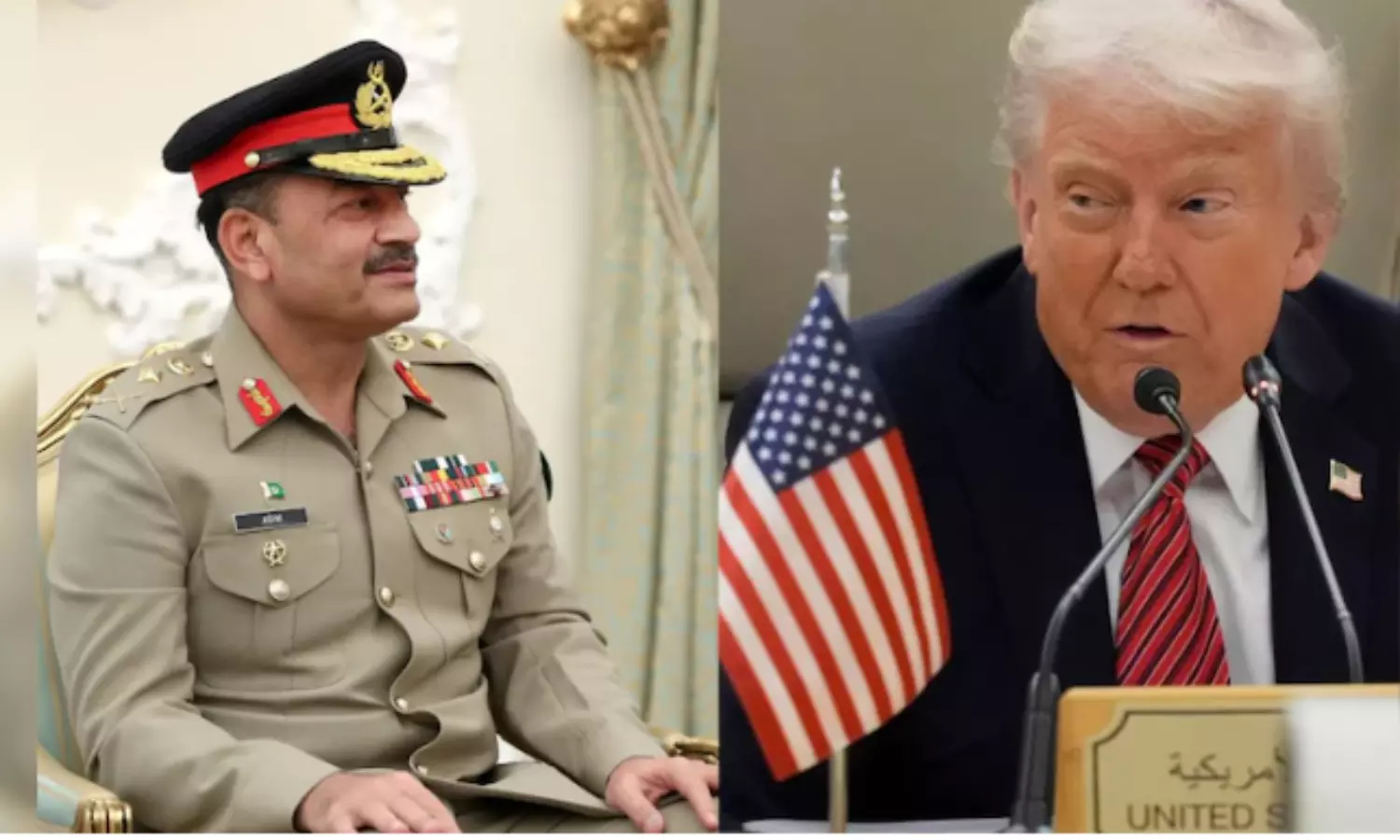
Trump pressures Pakistan as part of his 20‑point Gaza plan, which calls for a multinational stabilisation force after Israeli troops pull back. Washington wants Muslim‑majority countries with strong militaries to join this mission, and Pakistan is one of the top targets because of its large, battle‑hardened army.
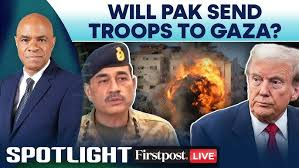
Pakistan’s defence chief, Field Marshal Asim Munir, is now at the centre of this plan. He is expected to travel to Washington again to meet President Trump, with the Gaza stabilisation force likely to dominate the talks.
What Is Trump’s Gaza Stabilisation Plan?
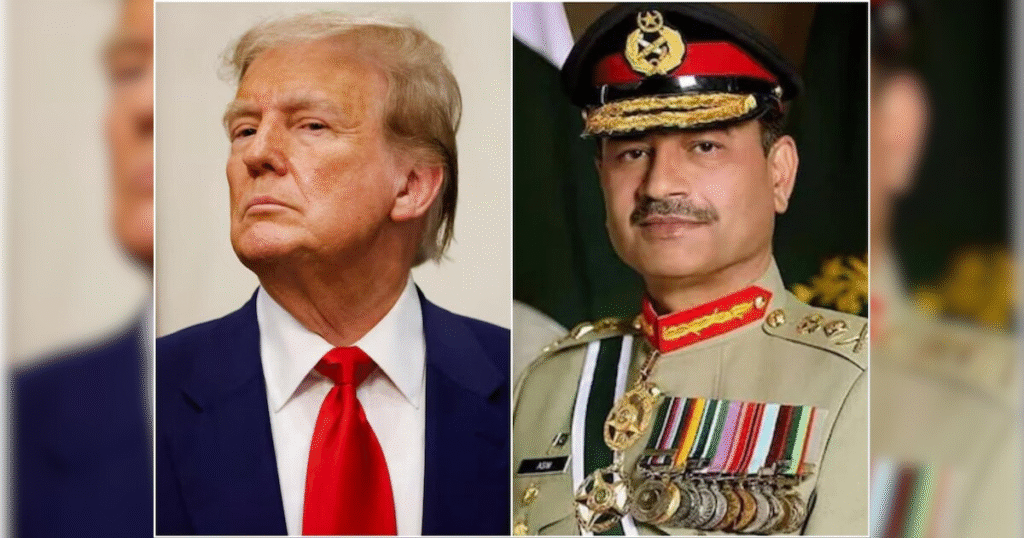
Trump’s proposal for Gaza includes an international stabilisation force made mainly of troops from Muslim‑majority nations. This force would supervise security, reconstruction, and economic recovery in Gaza after more than two years of heavy Israeli military operations.
According to reports, the United States does not want to put its own soldiers on the ground. Instead, Trump pressures Pakistan and other allies to send their troops, while a US general and coordination centre would guide the mission from the region.
Why Trump Pressures Pakistan Specifically
Pakistan is the only Muslim‑majority nuclear power and has one of the largest professional armies in the world. Its forces have long experience in wars with neighbours and in fighting insurgent groups, which makes them attractive for any complex mission like Gaza.
For Washington, getting Islamabad on board would add military weight and political cover to the Gaza plan. Analysts say this is why Trump pressures Pakistan more strongly than some other countries that are more hesitant or have smaller armies.
Asim Munir’s High‑Risk Decision
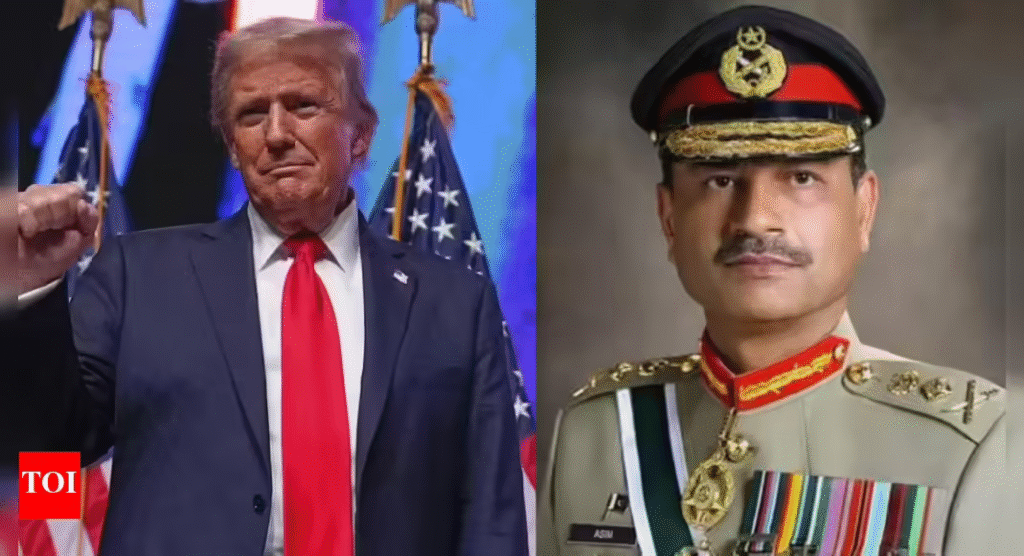
Asim Munir recently became Pakistan’s Chief of Defence Forces with an extension that keeps him in power until 2030. Constitutional changes give him huge authority and strong legal protection, making him one of the most powerful military leaders in Pakistan’s history.
At the same time, he has built a close working relationship with Trump, which includes multiple meetings and direct talks on security and economic cooperation. Experts argue that when Trump pressures Pakistan, he is in fact directly testing Munir’s judgement and his ability to balance US demands with public opinion at home.
Domestic Backlash Fears Inside Pakistan
The main worry in Islamabad is not only the danger in Gaza but also the reaction of Pakistan’s own population. Many Pakistanis strongly support the Palestinian cause and are deeply hostile to both Israel and US policy in the region.
Analysts warn that if Trump pressures Pakistan into sending troops and those soldiers are seen as helping a US‑backed plan, Islamist parties and opposition groups could quickly mobilise protests. Critics say people might accuse Munir of “doing Israel’s bidding”, which could hurt his legitimacy at a time when politics are already tense.
Pakistan’s Balancing Act Between US And Public Opinion
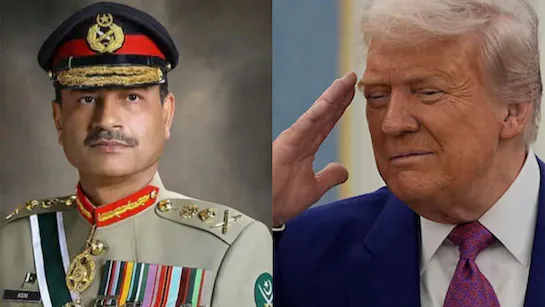
On one side, Pakistan needs US support for investment, loans, and security cooperation. Saying “no” too strongly when Trump pressures Pakistan could damage this relationship and weaken Islamabad’s position in Washington.
On the other side, joining a controversial Gaza force could inflame public anger and revive street power of banned or hardline Islamist groups. Pakistan’s leaders are trying to find a middle line, hinting that peacekeeping might be possible, but insisting that disarming Hamas or directly coordinating with Israel is not their job.
What Comes Next If Trump Pressures Pakistan Further?
Future decisions will likely depend on Munir’s next visit to Washington and on how the final mandate of the Gaza stabilisation force is written. If the mission looks clearly humanitarian and UN‑backed, Pakistan may try to send a limited number of troops with strict conditions.
However, if the plan seems too close to Israeli security goals or risks direct fighting with Hamas, then even as Trump pressures Pakistan, Islamabad may look for ways to delay, reduce, or avoid sending combat forces. In any case, the issue shows how one decision about Gaza could reshape Pakistan’s foreign policy, civil‑military balance, and street politics at the same time.