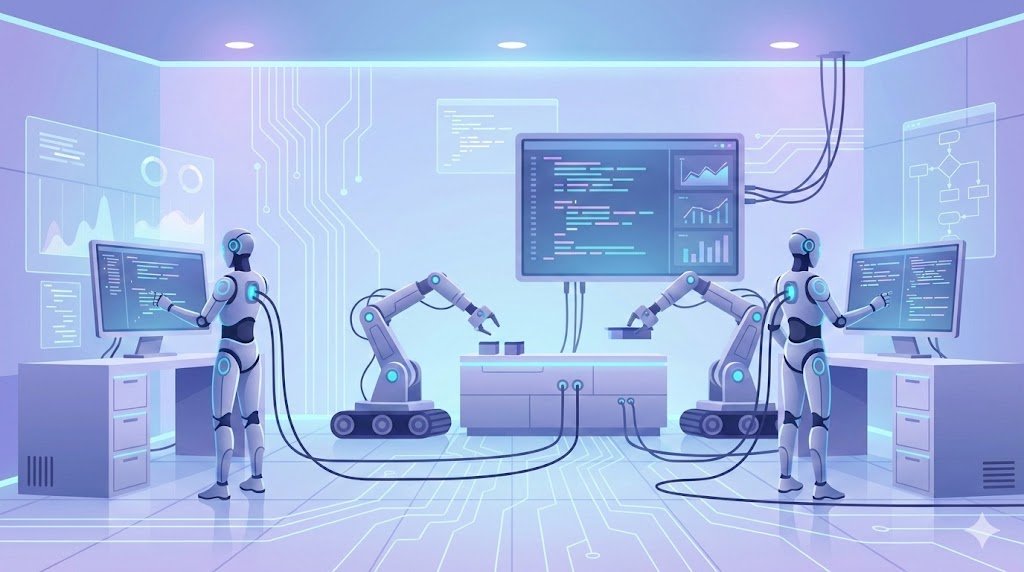
Powerful Programmable Robots Transforming Technology and the Future
These robots follow instructions written in code instead of being locked into one fixed job. Engineers can change the software and give them new roles without rebuilding the machine. Because of this, they appear in factories, warehouses, hospitals, homes, and even at very small scales.
What Are Programmable Robots?
These machines use algorithms or simple AI models to decide what to do next. When the program changes, their behavior also changes, so the same unit can handle different tasks over time.
Older systems were often designed for only one purpose. In contrast, today’s designs can be reprogrammed again and again, which makes them a better fit for fast‑changing industries.
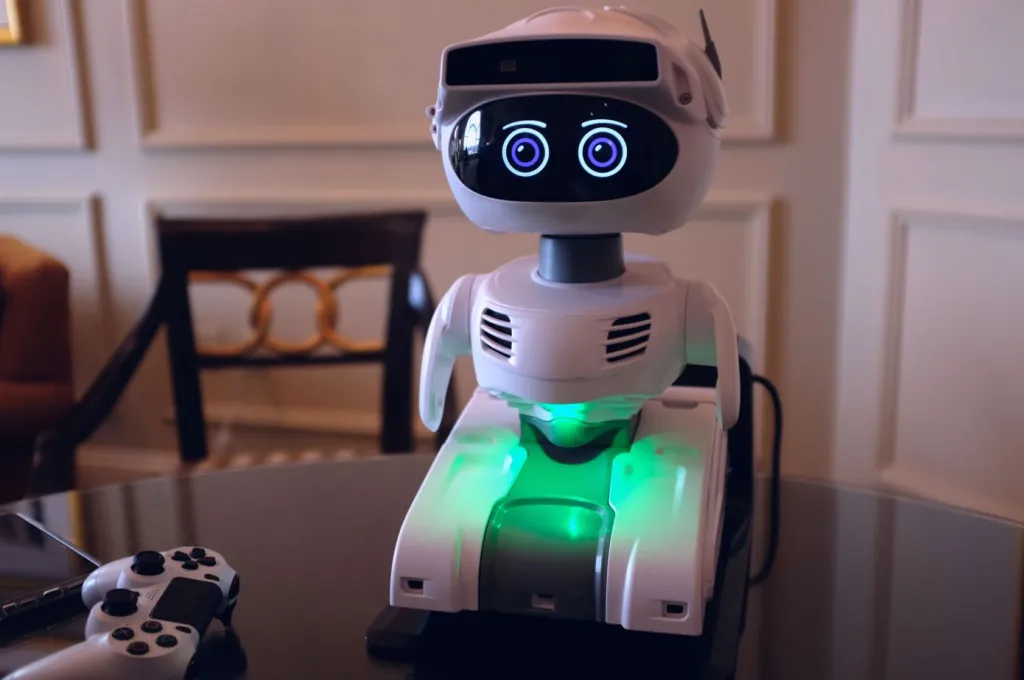
Programmable Robots main type use today:
Different shapes and sizes are used in real projects.
- Large robots in factories handle welding, assembling, painting, and packaging.
- Service units help with cleaning, delivery, and warehouse work in shops and logistics centers.
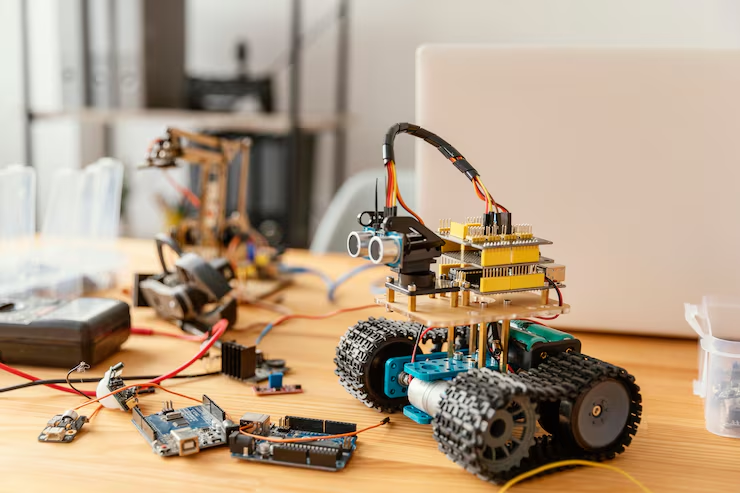
- Simple classroom kits help students learn coding and basic robotics.
- Tiny micro‑devices work in research, including very small machines that can swim in liquids and sense heat or other signals.
Together, these systems support many parts of the robotics world, from education to high‑end industry.
Tiny Research Robots – An Extreme Example
Scientists from leading universities have built devices smaller than a grain of salt that can move and respond to their surroundings. These tiny units can swim in liquid, sense temperature changes, and react using a built‑in solar‑powered computer chip.
Their small legs bend when light hits them, which pushes the body forward. Sensors read the environment, the chip processes the data, and then the robot changes its movement pattern, showing a very small but real version of smart behavior.
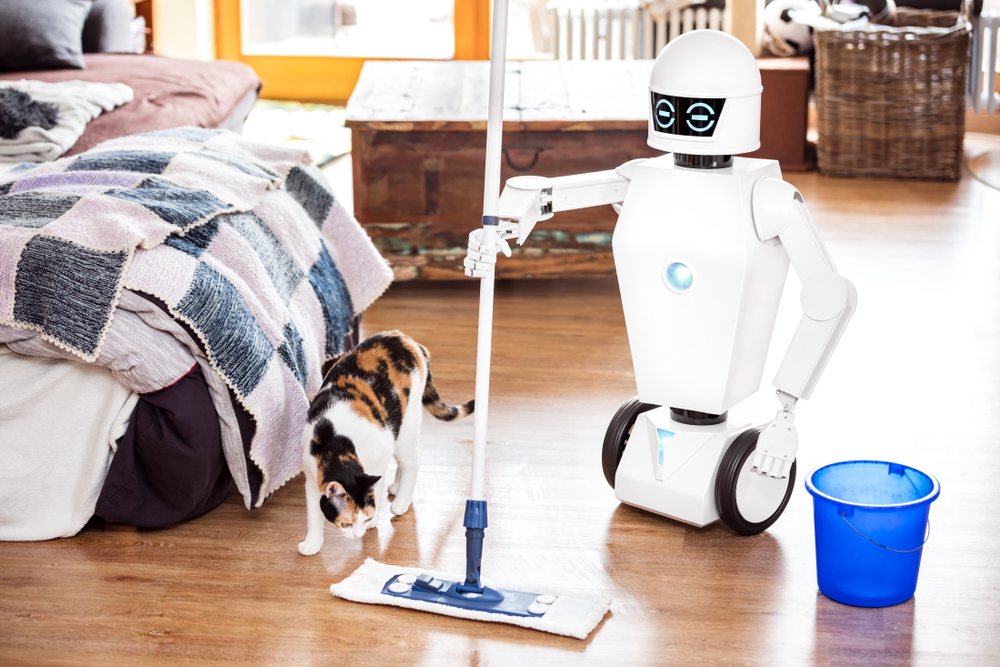
How this Programmable Robots work:
With the help of AI, many modern machines are no longer limited to simple, fixed rules. They can learn from data, spot patterns, and improve their actions with time, which makes their behavior more natural and efficient.
Use in Medicine and Healthcare
In hospitals, advanced robotic systems already help surgeons perform delicate operations with very high accuracy. This can mean smaller cuts, less pain, and faster recovery for patients.
In the future, tiny devices may move inside the human body to deliver drugs exactly where they are needed. Such micro‑robots could travel through blood vessels and release medicine only at the target site, which might lower side effects.
Role in Industry and Logistics
On factory floors, automated machines take care of dangerous or repetitive tasks, such as heavy lifting, precise assembly, and constant-quality painting. This improves speed and safety while keeping product quality stable.
In storage and shipping centers, moving units carry goods, pick items for orders, and organize shelves. With AI planning, they choose better paths, reduce delays, and help companies save cost and time.
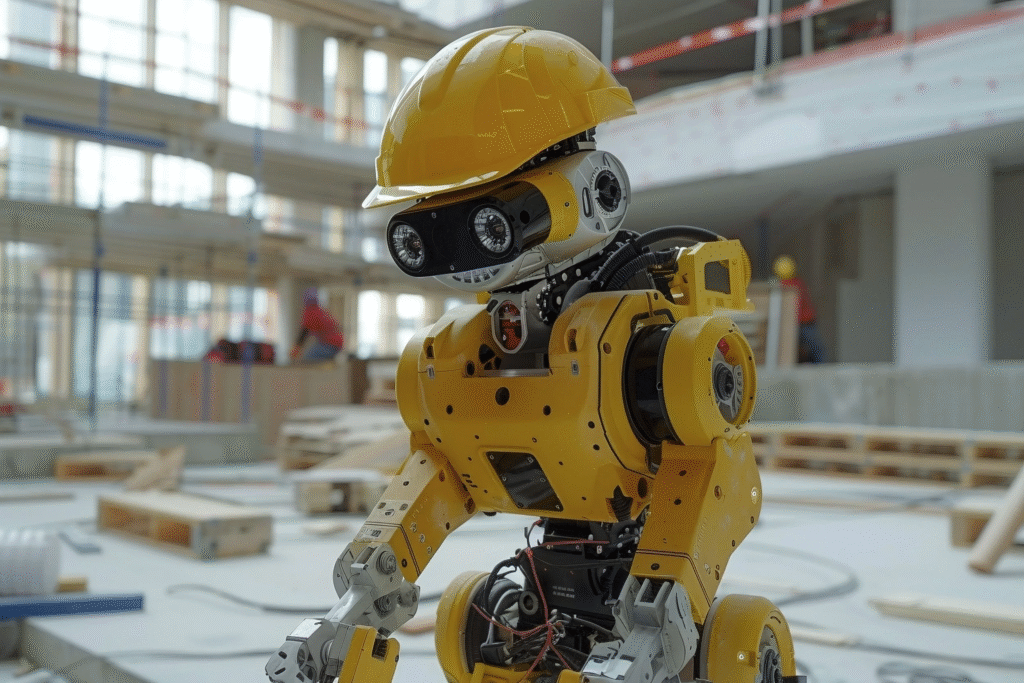
Key Benefits
These systems bring clear advantages across many sectors:
- They are flexible, because changing the code can give them new jobs without new hardware.
- They are accurate, repeating the same movement again and again with very small error.
- They scale well, since one design can be reused in many factories or projects.
- New ideas, such as micro‑scale robots, unlock fresh possibilities in science and medicine.
For many organizations, this makes them a strong long‑term technology choice.
Challenges and Ethics
There are still important problems to solve. Initial setup can be expensive, and teams need skilled people to program and maintain the systems. When connected to networks, they also need strong security to prevent hacking or misuse.
Ethical questions include job changes, privacy, and how much control should stay with humans. Very small robots inside the body or in nature raise questions about safety, long‑term effects, and how these tools should be regulated.