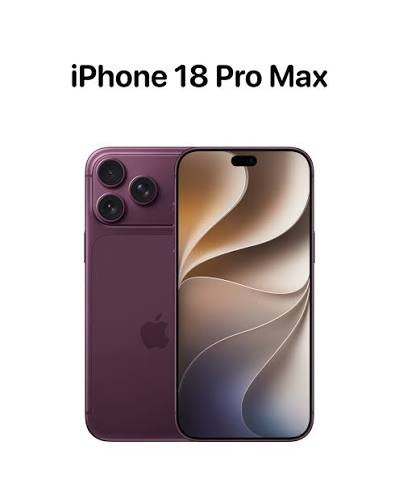
New Tech Battleground: From Smartphones to AI Glasses
The New Tech Battleground is no longer just about who sells the most powerful smartphone. Now the focus is shifting to smart glasses that can quietly bring AI into everyday life without forcing users to stare at a screen all the time. These glasses promise hands‑free access to information, real‑time translation and context‑aware assistance, all through a device that looks like normal eyewear.
Big tech companies see this as the next platform that could define the future of personal technology for the next decade, just like smartphones did in the 2010s.
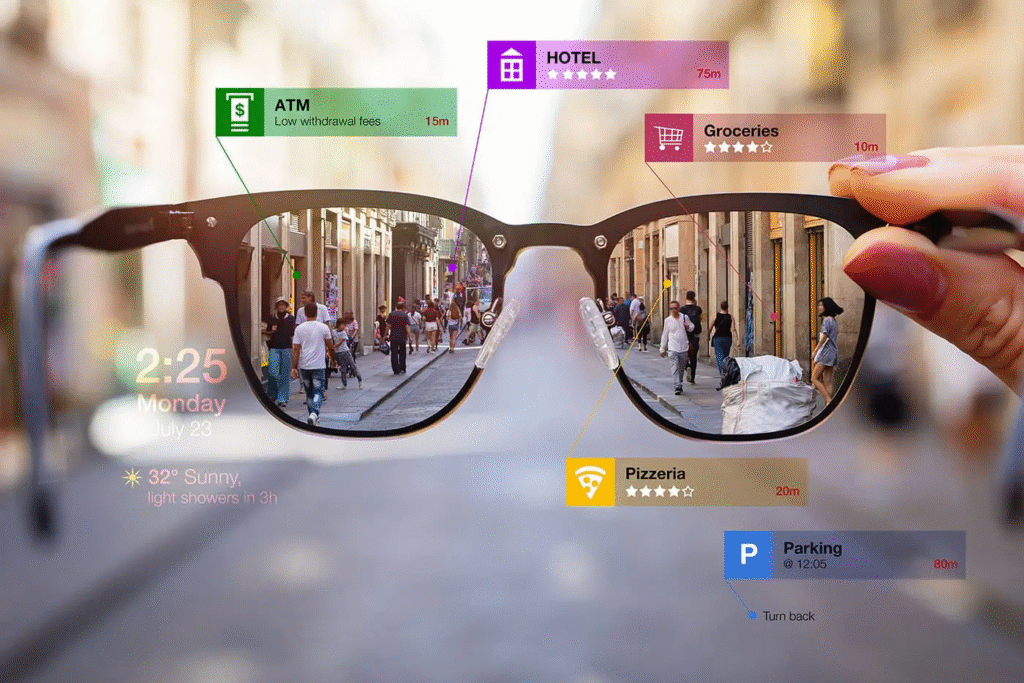
Apple’s Move in the New Tech Battleground
Apple is working on a lightweight pair of smart glasses often referred to as Apple Glass, which fits directly into this New Tech Battleground. Unlike the Vision Pro mixed‑reality headset, these glasses are expected to skip heavy AR displays and instead focus on subtle AI features that can be used all day.
One of the most important features is visual intelligence: cameras and on‑device AI that can understand what the wearer is looking at in real time. This could help users read signs, identify objects or get extra information about places around them without picking up a phone. Reports also suggest Apple is exploring health‑related functions, although details remain private.
Google, Samsung and Gemini Enter the Fight
Google is returning to smart glasses with a new strategy and is partnering with Samsung and fashion eyewear brands to compete in the New Tech Battleground. This time, Google plans to build glasses that look like regular frames but are powered by its Gemini generative AI model.
The first model is expected to be audio‑first, without a visible display, focused on natural voice interaction for tasks like real‑time scheduling, dining suggestions and instant translation. A more advanced version with transparent lenses and a built‑in display is also under development, designed to show navigation arrows, captions and other information directly in front of the user’s eyes.
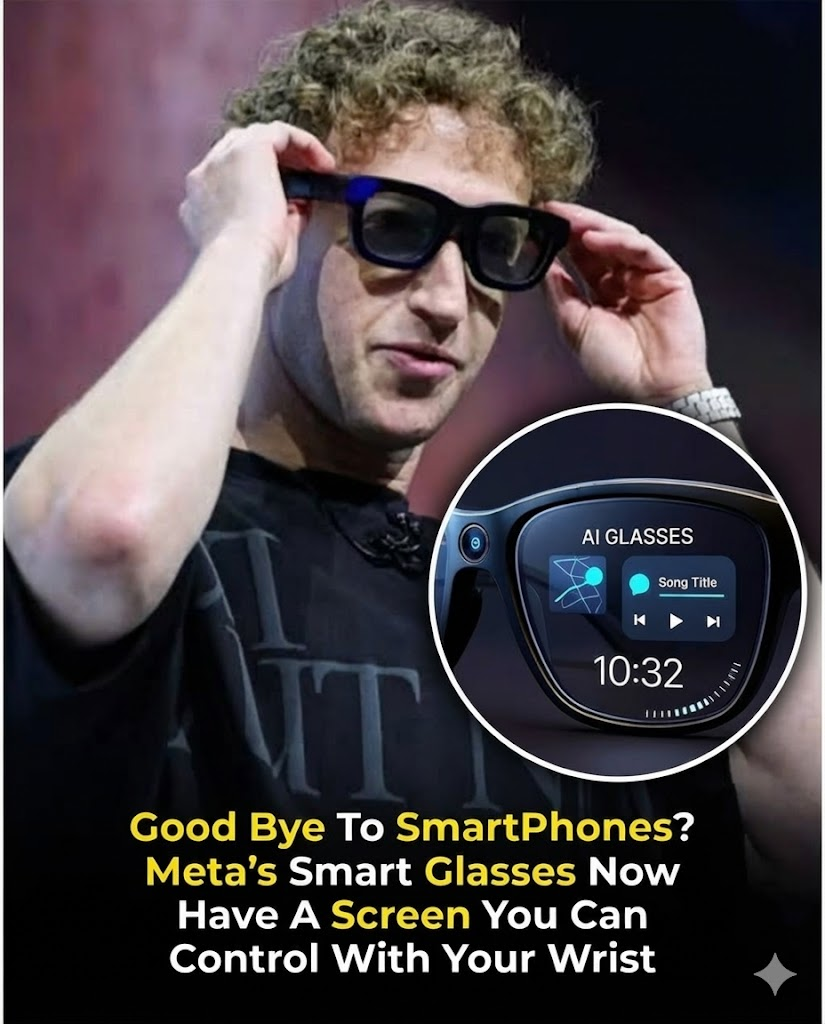
Meta and Global Rivals in the New Tech Battleground
Meta currently leads the global smart glasses market thanks to its Ray‑Ban smart glasses, giving it an early advantage in this New Tech Battleground. These glasses already offer hands‑free photo and video capture, social media integration and basic AI assistance through voice.
At the same time, companies like Alibaba are launching AI glasses such as Quark in other markets, showing how global this competition has become. Their devices focus on ambient AI support, shopping integration and live translation, making the race for dominance even more intense.
Challenges Inside This New Tech Battleground
Even though the New Tech Battleground around AI glasses looks exciting, there are serious obstacles that must be solved before these products can go fully mainstream. Battery life, device comfort, privacy concerns about cameras and data security are all major questions for users and regulators.
Earlier attempts like the original Google Glass struggled because people were not ready for visible cameras on faces and did not see enough benefit in daily life. To win this new device war, companies must deliver glasses that look normal, respect privacy and clearly do more than a smartphone can.
What the New Tech Battleground Means for Users
For users, the New Tech Battleground could shape how they interact with technology for years to come. If AI glasses succeed, people may rely less on phones and more on subtle audio prompts or light visual overlays to navigate cities, travel, work and study.
Instead of checking a screen dozens of times a day, people might receive only the most important information right when they need it, without breaking eye contact with the real world. In that sense, this New Tech Battleground is really about the next primary device in our lives – and it may no longer be a phone in our hands but smart glasses on our faces.