The Iran War Has Entered a Far More Dangerous Phase
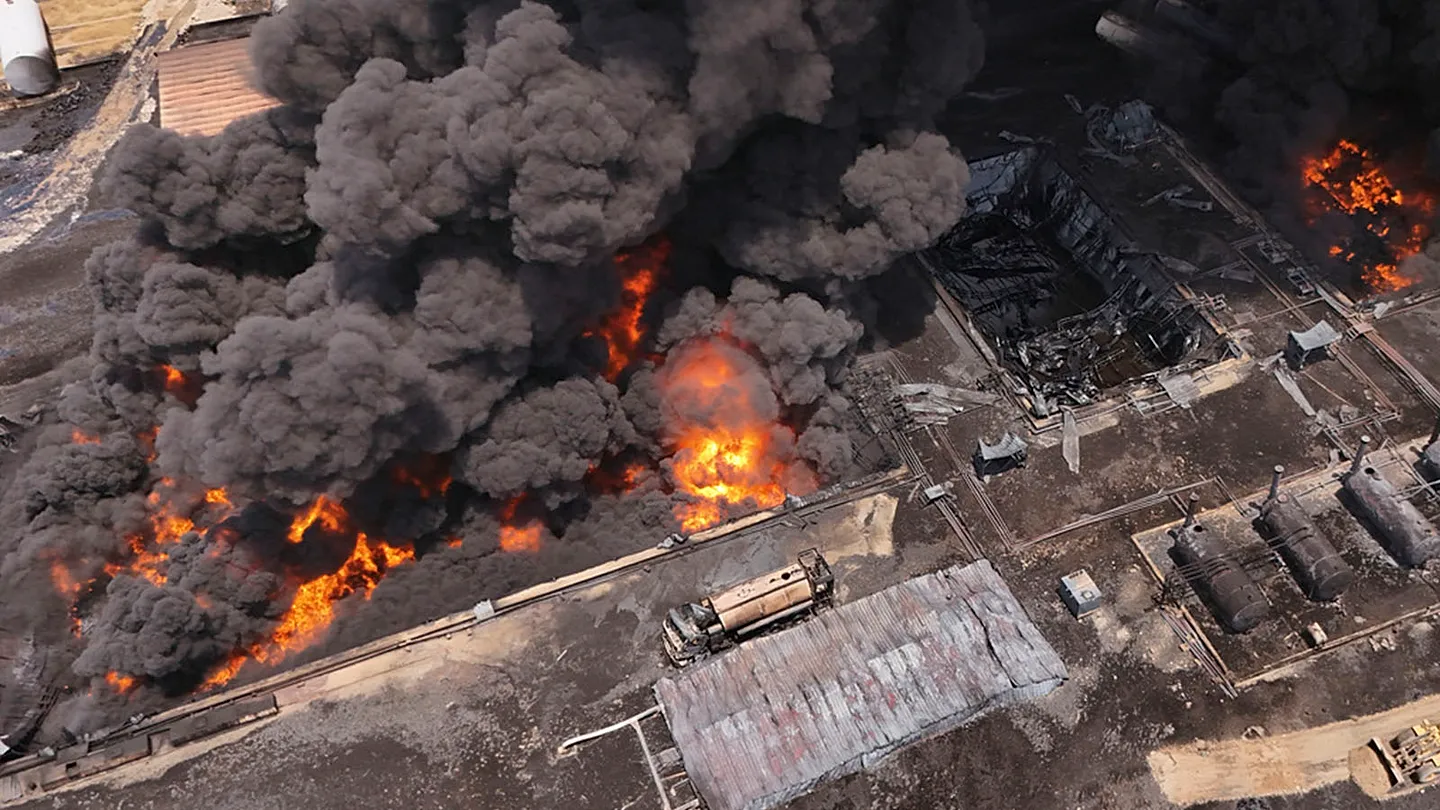
The Iran war has entered a far more dangerous phase as US, Israeli and Iranian moves collide across the Middle East. A US refuelling plane with five crew on board crashed in Iraq during operations linked to the conflict, triggering a major rescue effort and fresh questions over the risks of this war for American forces. At the same time, Israel is targeting Iranian weapons and military facilities, while the US bombs sites tied to Iran’s vital oil network, including the strategic Kharg Island hub that handles most of Tehran’s crude exports.
Iran’s Oil and Gulf Energy Under Threat
Iran’s leaders are answering with open threats towards Gulf energy infrastructure, warning that any strike on its economic ports or oil assets will be met by attacks on docks, terminals and energy sites across the region. Iranian commanders have already tightened their grip on the Strait of Hormuz, enforcing an aggressive naval posture that has pushed oil prices above 100 dollars a barrel and stirred fears of the largest supply disruption in history. Reports say only selected ships may be allowed to pass, and some cargoes may be forced into yuan trade as Tehran tries to pressure the West and reward China.
Missiles, Drones and Expanding Battlefields
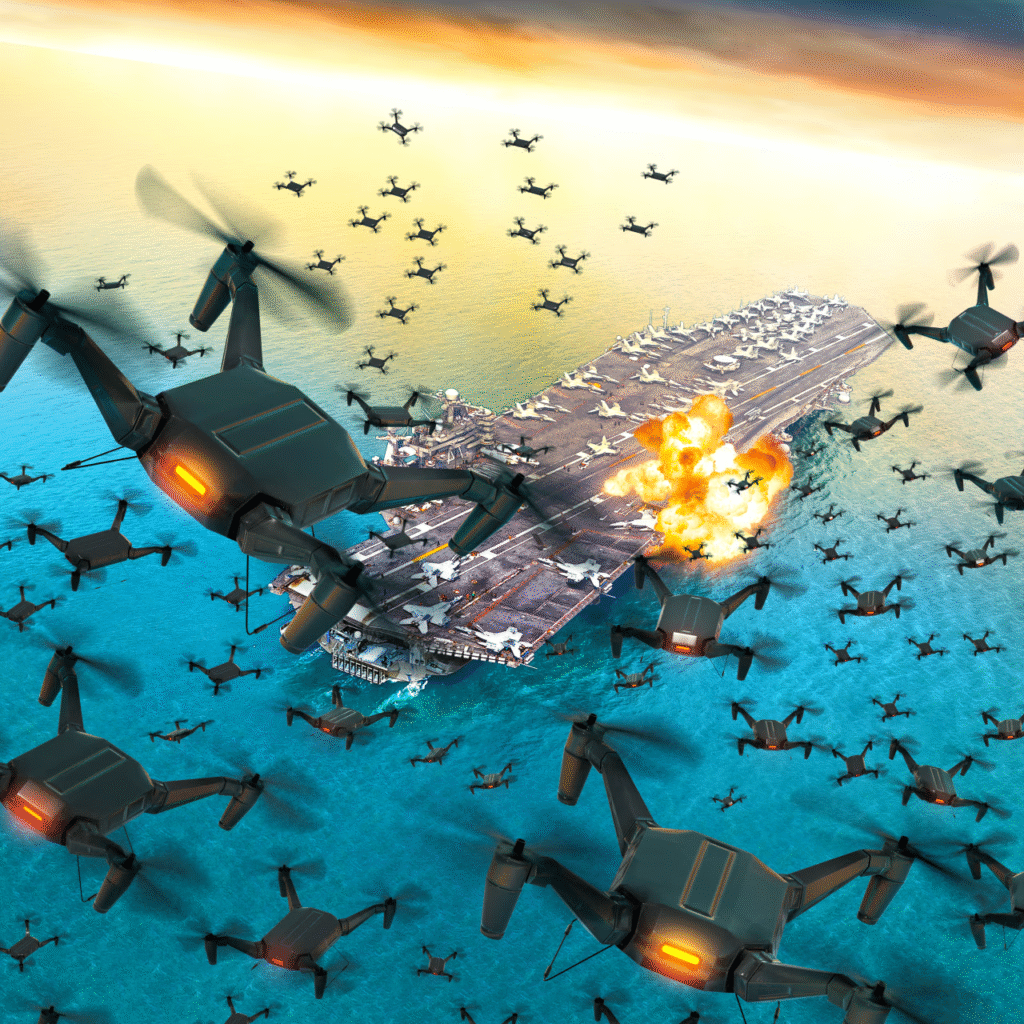
On the ground and at sea, missiles and drones continue to fly. Iranian forces say they have struck US‑linked sites in the UAE, Iraq and Kuwait, as well as locations tied to Israel, while warning that ports and energy zones across West Asia will be “destroyed” if Iranian facilities are hit. Washington and Tel Aviv insist their strikes are aimed at military targets, leadership bunkers and weapons depots, arguing that Iran’s navy, air force and drone capabilities have already suffered massive damage. US officials claim Iran’s military has been “significantly weakened,” but Tehran vows to keep the pressure on, promising to make the US regret what it calls a “grave miscalculation.”
Ordinary People Pay the Price
For ordinary people in the region, the cost is mounting. Shipping attacks in the Gulf and Red Sea have rattled global trade, driven up freight and insurance costs, and raised fears for food and fuel supplies in countries already struggling with inflation. Oil‑importing states from Pakistan and India to European economies now worry about fuel bills, power shortages and another wave of economic pain if the conflict drags on. Every new report of a downed aircraft, burning tanker or fresh round of strikes adds to a sense that this Iran war is shifting from a contained confrontation into a broad regional showdown with worldwide consequences.
Iran War Enters Deadly New Phase
The latest updates out of the Middle East show the Iran war sliding into a deeper, more dangerous stage, with the US, Israel and Iran all taking major risks across air, land and sea. A US military refuelling aircraft carrying five people crashed in Iraq while supporting operations, forcing an urgent search‑and‑rescue mission and underlining how costly and complex this conflict has become for American forces.
Iran’s Warnings to Oil and Energy Companies
Iran’s military used this moment to harden its tone, declaring that any oil or energy company cooperating with the US campaign could see its infrastructure “immediately destroyed.” This is not an empty threat in a region where pipelines, ports and power grids sit within reach of missiles, drones and sabotage teams.
Strikes on Iran’s Oil Lifeline
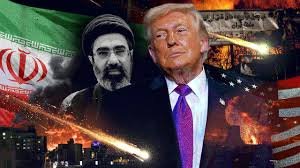
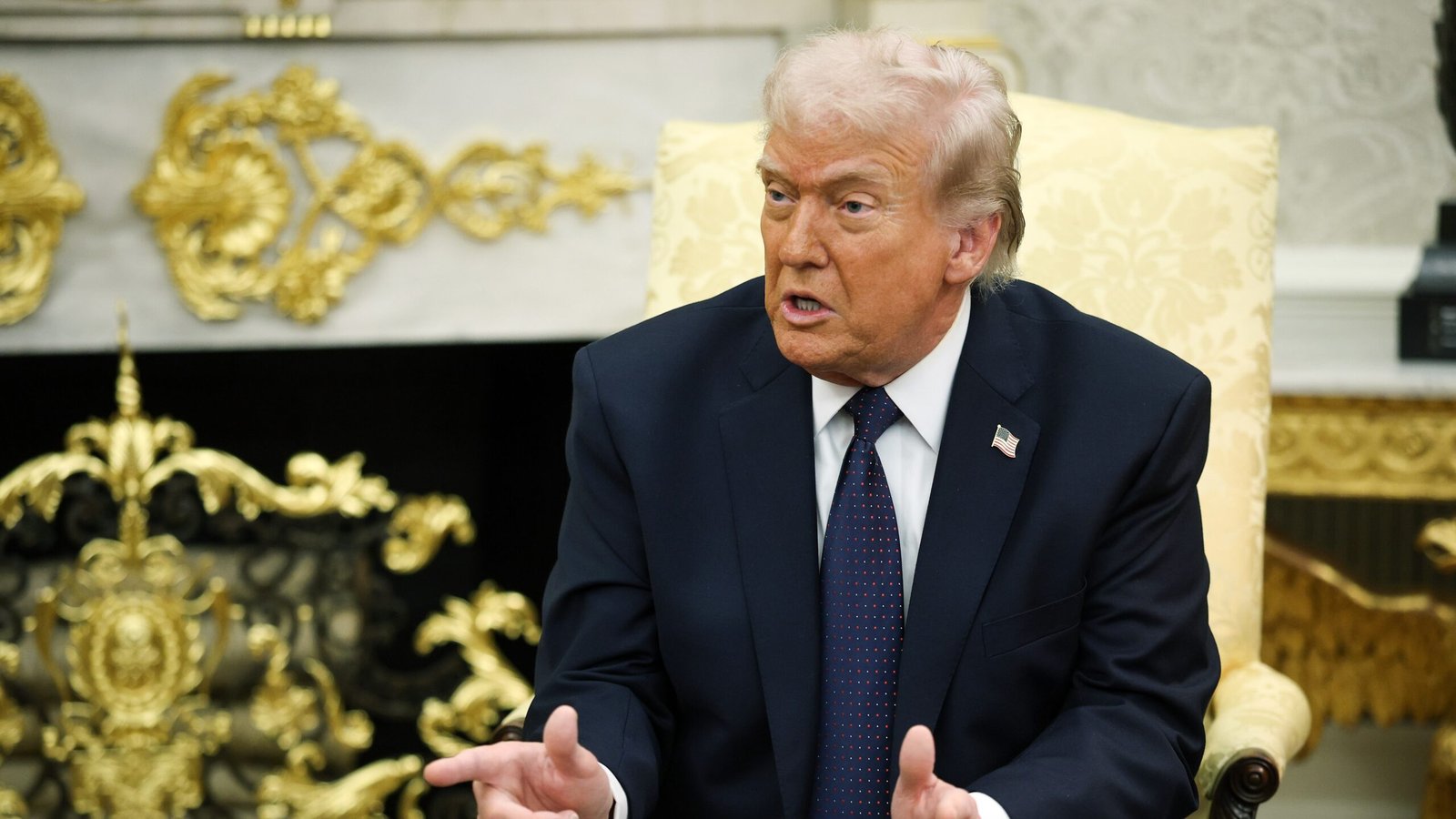
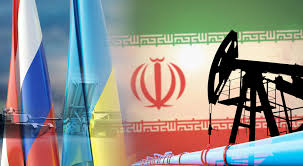
On the other side, US President Donald Trump says American and Israeli strikes have hit Iran “very hard,” focusing heavily on its oil lifeline. He boasted that the US had “totally obliterated every military target” on Kharg Island, the key terminal said to handle around 90% of Iran’s crude exports, and warned that more blows could follow if Iran keeps threatening ships in the Strait of Hormuz.
Iran’s Threat to Darken the Region
Iranian officials deny that its oil facilities on the island were seriously damaged, but they have promised to hit regional oil installations in response to any real harm to their own network. Iranian security chief Ali Larijani warned that if the US attacks Iran’s power grid, “the whole region will go dark,” vowing to turn Trump’s war into a disaster for everyone involved.
Hormuz Chokehold and Soaring Oil Prices
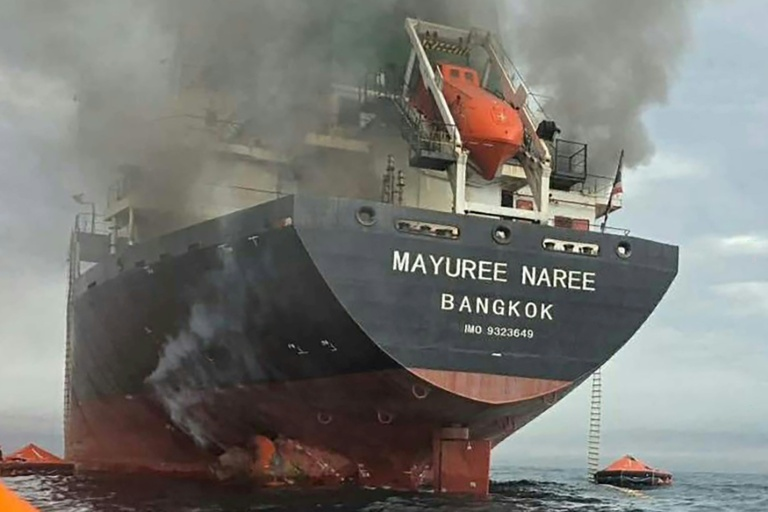
At sea, the Strait of Hormuz sits at the centre of this showdown. Iran has tightened its naval blockade and claims to have targeted multiple foreign vessels while enforcing a “no‑move” zone in the shipping lanes. The result has been a sustained spike in Brent crude prices above 100 dollars per barrel, with the International Energy Agency warning this war could trigger the largest disruption in oil supplies ever seen.
Oil, Currency Politics and ‘Evil Empire’ Rhetoric
Trump has brushed aside these warnings in public, calling Iran an “evil empire” and saying defeating it matters more than crude prices, even as refineries, traders and consumers brace for more pain. At the same time, some Iranian officials have floated the idea of letting certain ships pass only if their cargoes are traded in Chinese yuan, tying the conflict directly to global currency politics.
Iran Strikes Back Across the Region
Iran and its Revolutionary Guards are not only using threats; they are also firing back. Iranian statements say they have launched strikes against US‑linked sites in the UAE, Kuwait and Iraq, including areas where American forces are stationed and busy commercial corridors like Sheikh Zayed Road in Dubai. They also claim hits on Israeli locations, promising that any attempt to isolate Iran will be met across multiple fronts.
US–Israel Campaign Against Iran’s Military
Meanwhile, US and Israeli officials say their combined operations have badly damaged Iran’s navy, air force and drone arm, and have significantly reduced its capacity to launch attacks. US defence chiefs describe the campaign as successful so far, but admit that Iranian missile and drone strikes have continued daily, reaching Israel, Gulf states and key shipping routes.
Global Economy on Edge
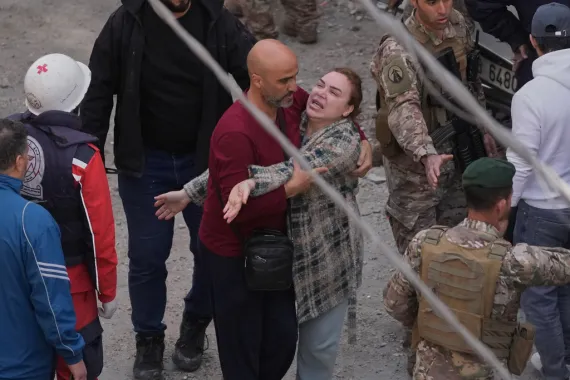
Far beyond the battlefields, the economic shock is spreading. Disrupted shipping in the Gulf and Red Sea, volatile oil prices and fear of power cuts are unsettling markets from Asia to Europe. Import‑dependent countries like Pakistan, India and many in Africa worry about fuel shortages, higher electricity costs and pressure on already weak currencies.
Trade Routes, Insurance Costs and Crisis Risks
Businesses that rely on steady sea routes through Hormuz and the Red Sea now face higher insurance premiums, rerouting delays and the risk of sudden blockages if the conflict escalates. Central banks and governments are watching the Iran war closely, knowing that a drawn‑out clash or a miscalculation at sea could push a fragile global economy towards a new crisis.