Iran Endgame: A War With No Easy Exit
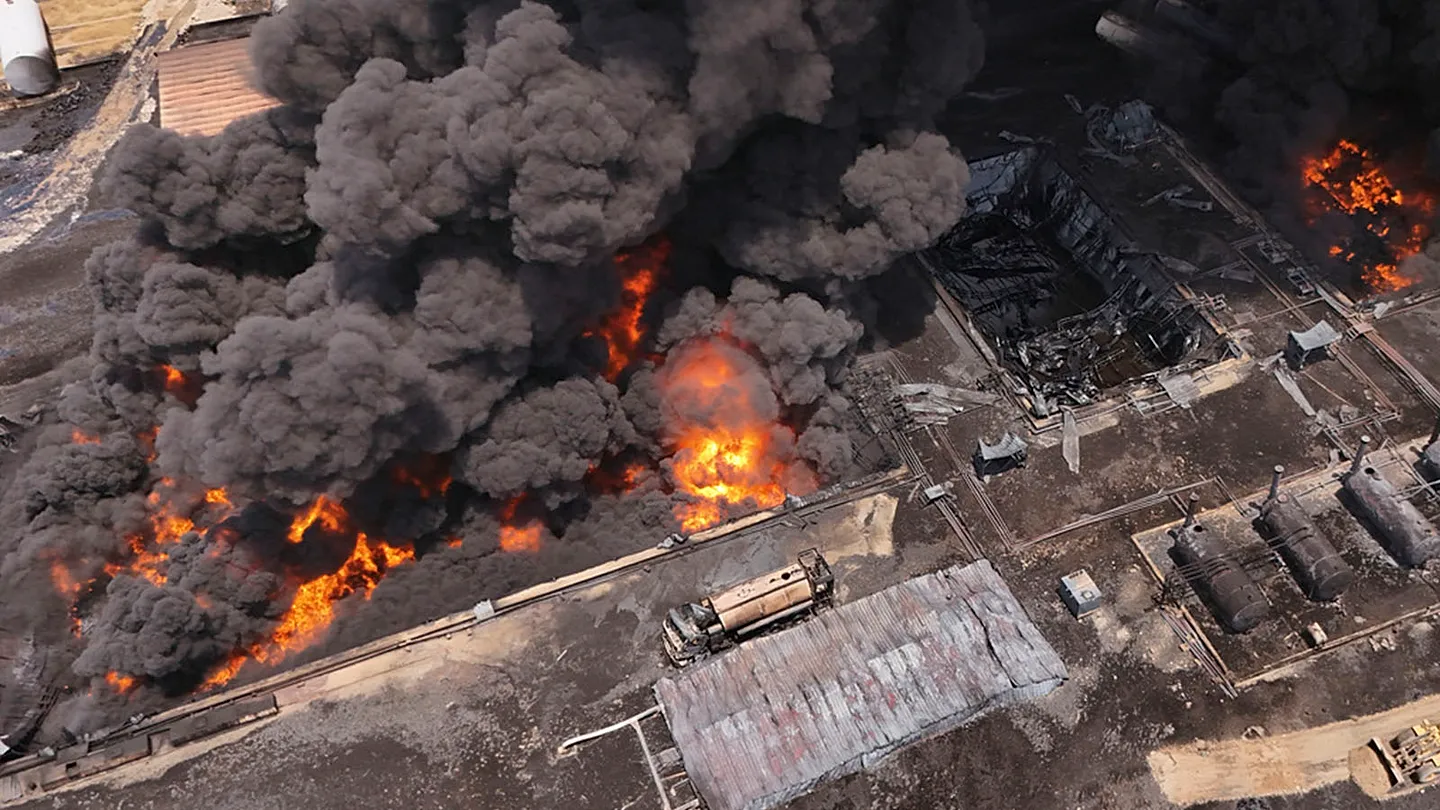
The Iran war has moved into a dangerous endgame, but there is still no clear plan to end it. US and Israeli leaders hoped a wave of strikes would break Iran’s will, yet Tehran remains wounded, angry and still in the fight. Instead of quick victory, the world is watching another long, messy conflict unfold in the heart of the Middle East.
Not Regime Change – But It Feels Like It
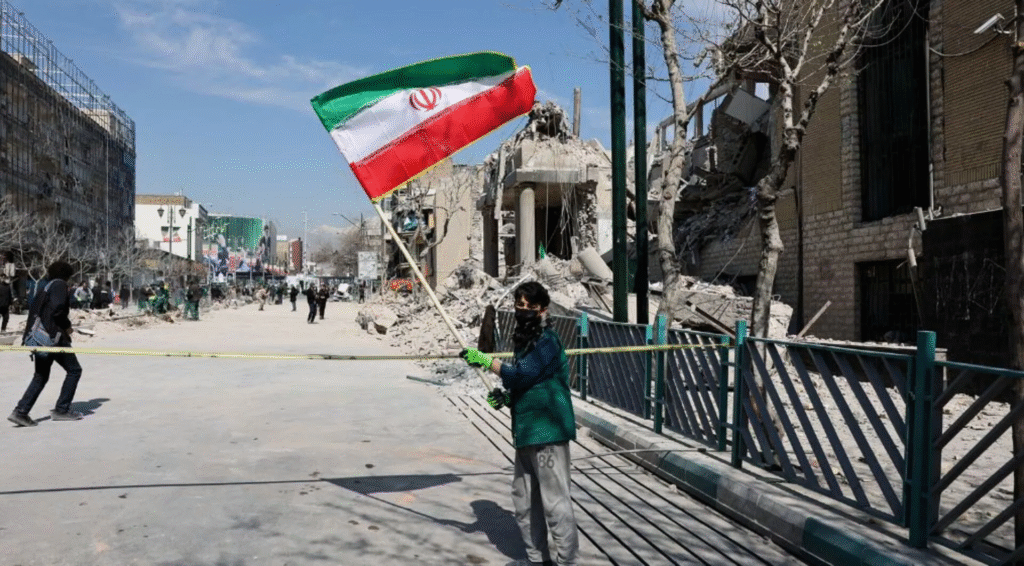
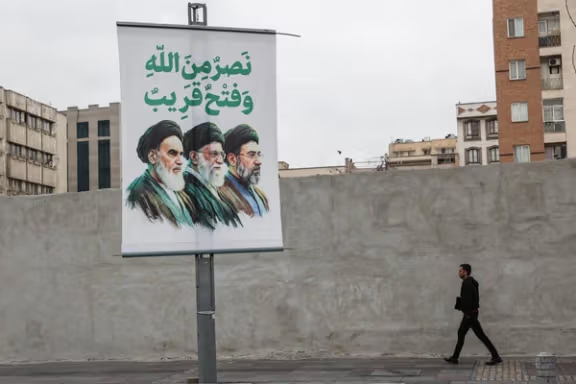
Washington says this is not a “regime change war,” but the reality on the ground tells a harsher story. After the killing of Ayatollah Ali Khamenei, pressure grew in US and Israeli circles to “finish the job” and force Tehran to accept total defeat. The scale of the bombing, the language of punishment and the demand for Iran to fall in line with Western wishes make this war look and feel like a push to topple a state that has refused to bow for more than forty years.
Old Ghosts: Iraq 2003 All Over Again
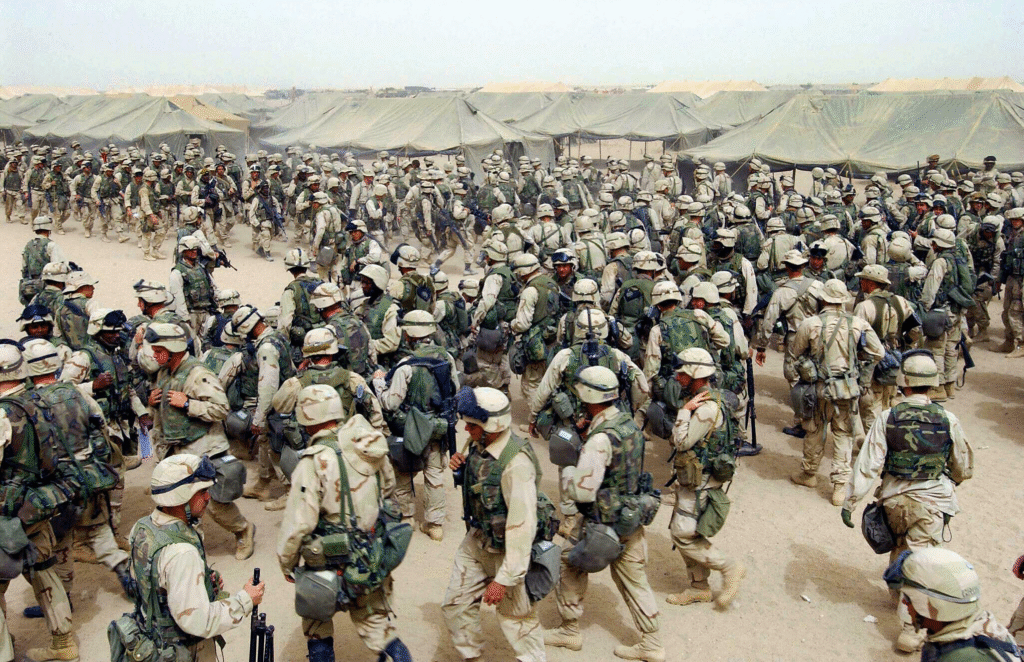
For many in the region, this Iran endgame sounds like an echo of Iraq in 2003. Then, the US sold a full-scale invasion on false claims of weapons of mass destruction and left Iraq broken for generations. Today, shifting stories and shaky justifications are again being used to sell airstrikes, sanctions and isolation against another large Muslim country. The core lesson—that wars built on overconfidence and half-truths end in ruin—is being pushed aside once more.
A Long Desire to Punish Iran
This confrontation did not start overnight, and it is not only about missiles or nuclear sites. For years, powerful voices in Washington have wanted to “cut Iran down to size,” angry that Tehran challenged US dominance from the Gulf to the Mediterranean. Former NATO commander Wesley Clark once recalled hearing that several countries—Iraq, Syria, Libya, Iran and others—were on a secret list to be “taken out.” Looking at the rubble in those states today, it is hard to ignore the pattern. Iran is the last big piece on that list still standing.
Iran Is Hurt – But Still Standing
Iran has been hit hard. Its commanders, bases and allies across the region have suffered serious losses, and its economy has been squeezed by sanctions and war. But Iran has not collapsed. It still has influence from Iraq and Syria to Lebanon and Yemen, and its leaders are using flexible, indirect tactics rather than fighting only in the open. This means the war is unlikely to end with a simple “winner” or “loser”—instead, it risks dragging on in a slow, grinding way that exhausts the entire region.
A Middle East Already on the Edge
The timing of this Iran endgame could hardly be worse for the wider Middle East. Iraq is still fragile, Syria remains deeply scarred, and Lebanon’s politics and economy are hanging by a thread. Another major shock—new refugees, more sectarian tension, fresh destruction—could push some of these states past the breaking point. Ordinary people, not leaders in Washington or Tehran, will pay the heaviest price if the conflict keeps widening.
Why This Endgame Matters for the World
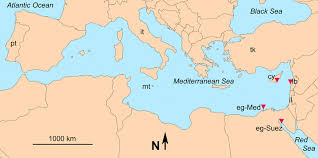
The Iran war endgame is not just a regional story; it has global stakes. Iran lies next to vital oil routes, sits close to nuclear flashpoints, and influences conflicts that stretch from the Gulf to the Mediterranean. If this war spins further out of control, the world could see higher fuel prices, new terror risks, more refugee flows and deeper mistrust between major powers.
For countries like Pakistan, India and others in South Asia, the danger is clear: a prolonged Iran war could bring rising fuel bills, weaker currencies and more pressure on already struggling economies. For Europe, it could mean another wave of instability on its doorstep. And for the Middle East itself, it could mean yet another generation growing up under bombs, blockades and broken promises.
The Real Endgame: Talks or Endless War
If there is to be a real endgame, it cannot be built only on airstrikes, threats and punishments. A serious path out of this crisis would need hard, honest talks, security guarantees for all sides, and respect for borders and sovereignty—not just demands for one side to surrender everything.
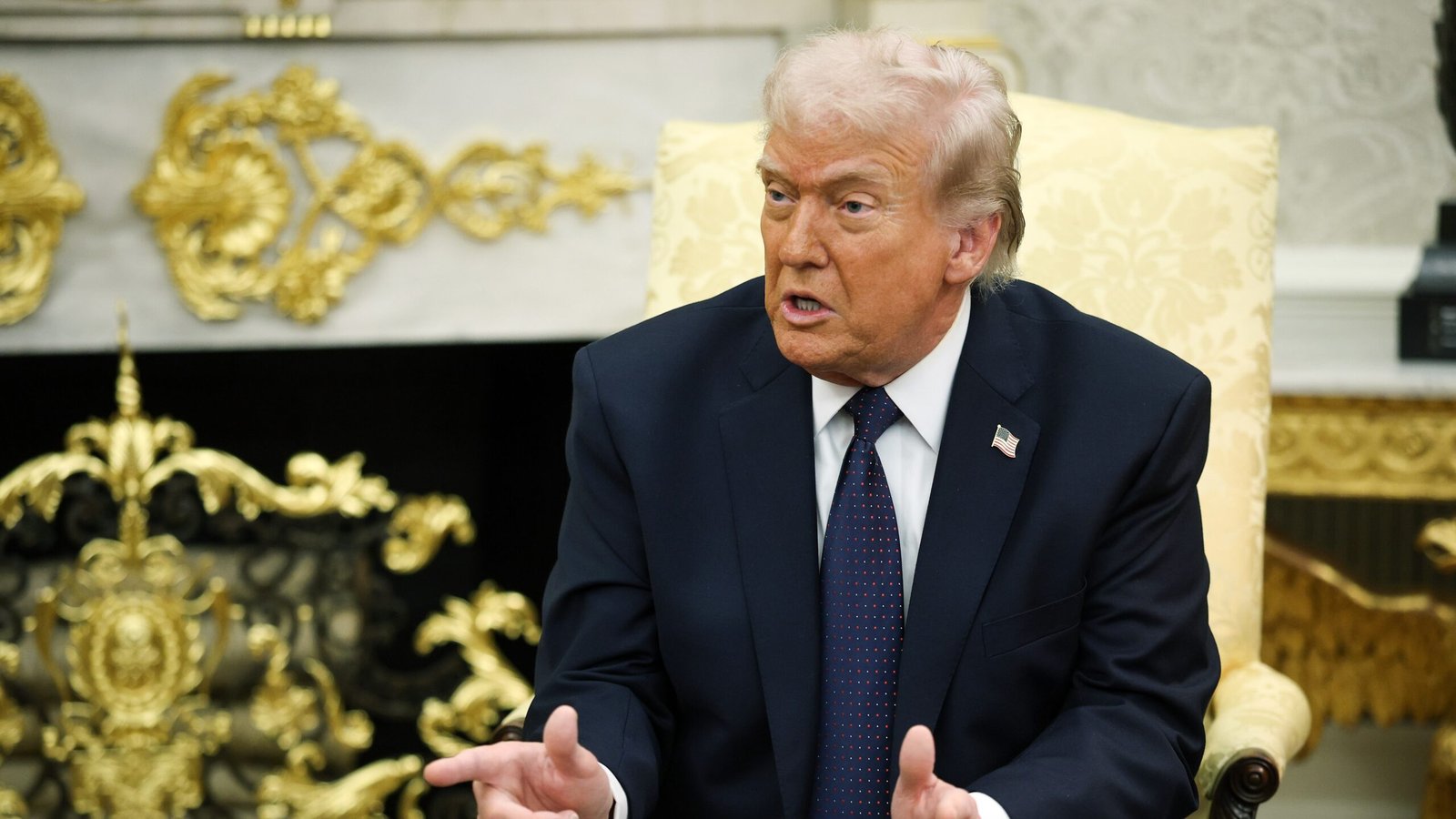
Without that, Trump’s risky war gamble with Iran looks set to become one more tragic chapter in a long history of failed interventions—another war started in the name of strength that ends up weakening an entire region. The choice facing world leaders now is simple but brutal: accept that there is no easy military fix, or let this Iran endgame drag the Middle East towards yet another disaster.