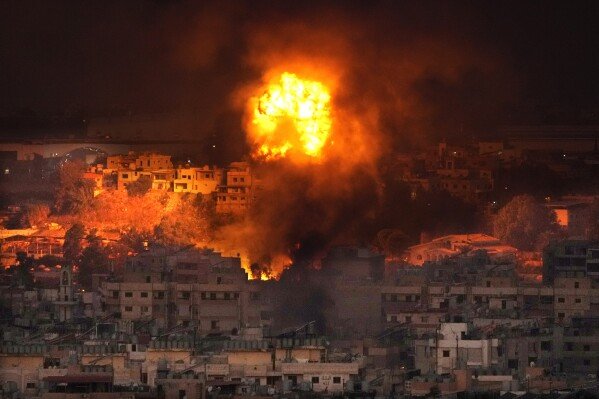
Israel’s Lebanon Strikes in the Iran War
Israel’s new wave of strikes on Lebanon has dragged the already burning Iran War into even darker territory. Beirut’s skies lit up overnight as jets hammered Hezbollah-linked areas, while people on both sides of the border hid in shelters, fearing what comes next.
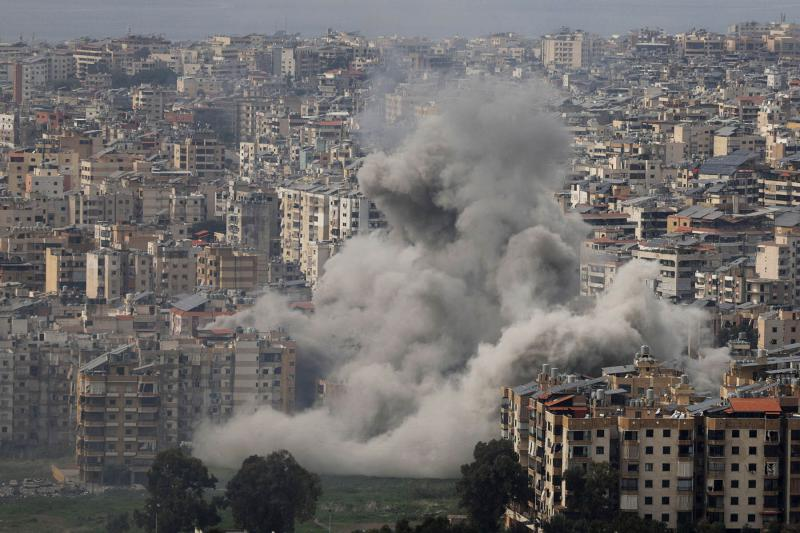
Israel Targets Hezbollah After Rocket Fire
Israel says these strikes are a direct response to rocket fire launched from Lebanon by Hezbollah after Iran’s Supreme Leader was killed. Lebanese officials report dozens of deaths and many wounded as bombs hit southern Lebanon and Beirut’s Shia suburbs, areas long seen as Hezbollah’s political and military heartland.
The Israeli army claims it is hitting command centres, weapons depots, rocket launchers and “terror infrastructure,” insisting the goal is to weaken Hezbollah’s ability to fight and send a warning to Tehran. People in border towns on the Israeli side also spent the night in secure rooms after sirens warned of incoming rockets.
Lebanon Pulled Deeper into Iran War
For Lebanon, this feels like a nightmare repeating itself, as the country is still recovering from past wars, economic collapse and political paralysis. Now, as Iran’s conflict with the US and Israel intensifies, Hezbollah’s actions have once again pulled Lebanon into a fight many ordinary Lebanese never wanted.
Hezbollah is backed by Iran and presents itself as part of the “Axis of Resistance” against Israel and Western influence, giving Tehran leverage on Israel’s northern border. When Iran was hit, Hezbollah answered with rockets over the border, but Israel’s response has been far heavier, with air and naval strikes and a clear message that this may be a long campaign.
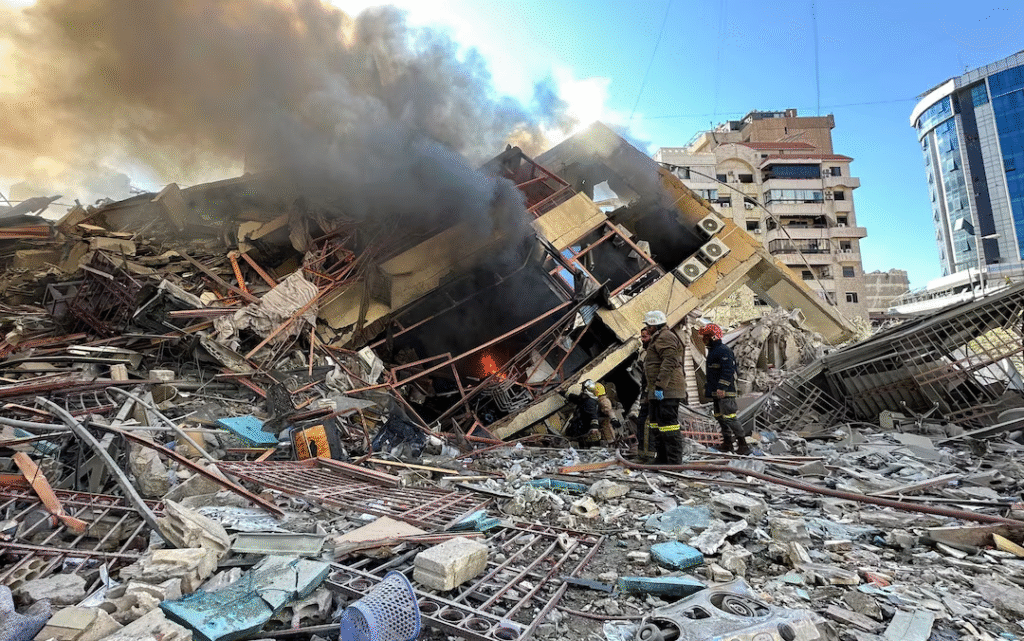
Heavy Losses and a Weakened Hezbollah
Hezbollah has already paid a huge price in recent years: its long-time leader Hassan Nasrallah was assassinated, many senior commanders have been killed, and large parts of its arsenal have been destroyed by Israeli strikes. A previous war ended with a ceasefire in 2024 that left the group weaker and blamed by many Lebanese, even some of its own supporters, for miscalculations that brought more suffering.
Now, with fresh strikes and new deaths, many Lebanese fear their country is being dragged back into another ruinous chapter, while Israel openly says it wants Hezbollah to suffer a “devastating blow” and to remove any serious military threat from Lebanon’s south.
Civilians Trapped Between Rockets and Airstrikes
As usual, civilians are paying the highest price, with families in southern Lebanon and Beirut suburbs fleeing their homes again and crowding into schools, relatives’ apartments and makeshift shelters. Shops are shuttered, streets are empty, and the sound of jets and explosions has become part of daily life in many neighbourhoods.
On the Israeli side, residents in northern towns near the border are also living under constant tension, moving in and out of shelters as alarms sound and worrying about the next barrage of rockets. Many had only recently returned home after previous rounds of violence and now face the same fear all over again.
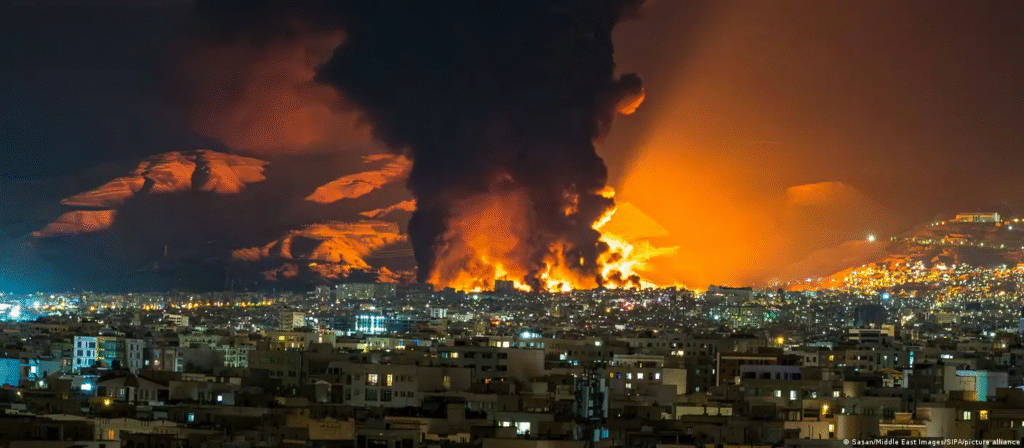
Regional and Global Risks
This Lebanon front opens a second major line of fire in the wider Iran War, as Israel is already striking targets inside Iran with US support while Iran threatens to widen the conflict across the region. Attacks on ships in the Gulf, rising oil prices and fears of a broader regional war are now tied directly to what happens between Israel and Hezbollah.
If the strikes continue and Hezbollah keeps firing rockets, Lebanon could face even deeper destruction, more displacement and long-term isolation, while Israel risks being locked into “many extended days of warfare” with no clear end or political solution.